High Temperature Rotary Joints Guide: Tips to Maximize Performance and Service Life
High temperature rotary joints are essential components in industrial systems that require the transfer of steam, thermal oil, hot air, or other high-temperature media between stationary and rotating equipment. These specialized rotary joints are engineered to withstand extreme temperatures, continuous rotation, and demanding operating environments. When properly maintained, a High temperature rotary joint ensures smooth sealing performance, extended service life, and safe operation across a wide range of industries, including textiles, papermaking, chemical processing, energy, plastics, and metallurgy.
In this comprehensive guide, we will examine the key characteristics of high-temperature rotary joints and offer practical maintenance techniques to help engineers, equipment operators, and facility managers ensure long-term reliability. The maintenance recommendations below combine real-world factory experience with engineering best practices to help minimize downtime, avoid leakage accidents, and improve overall operational stability.
Understanding High Temperature Rotary Joints
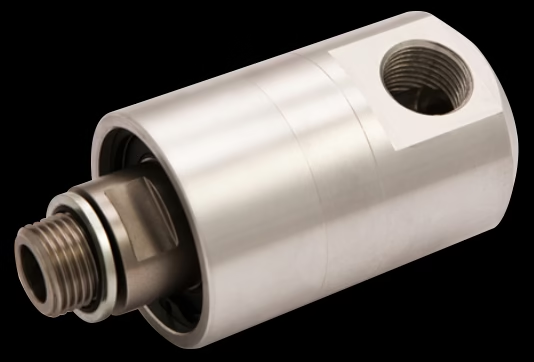
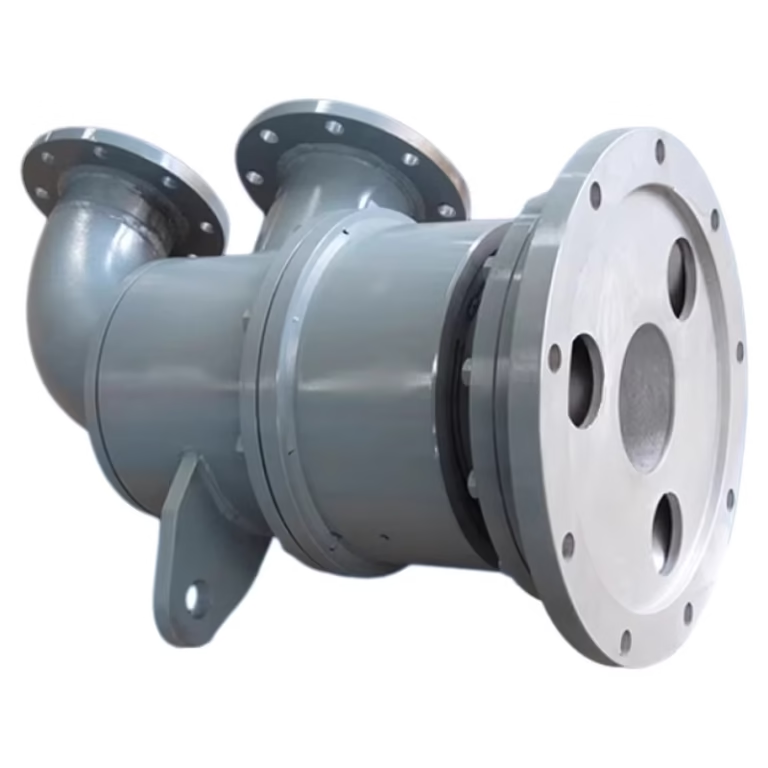
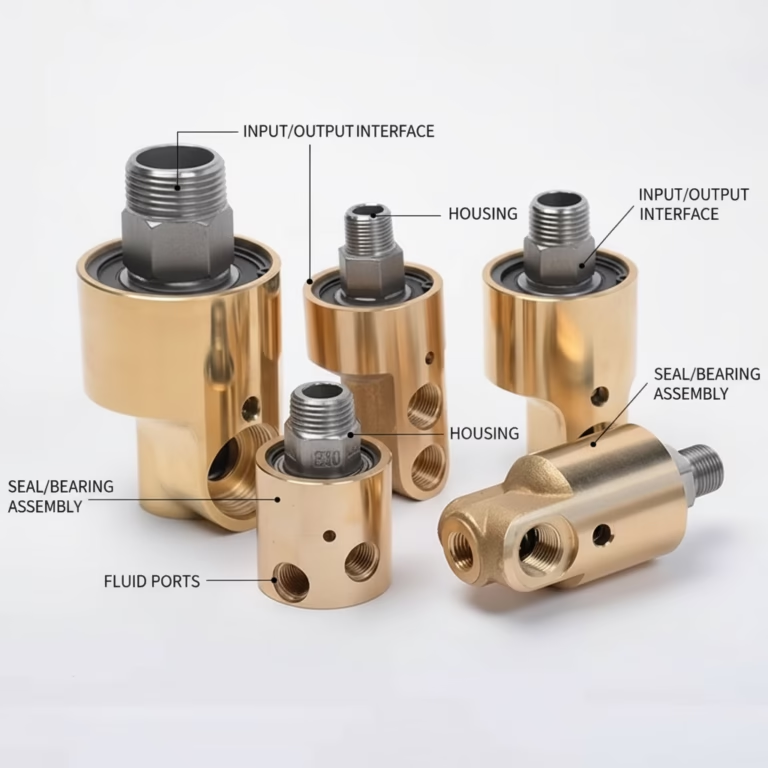
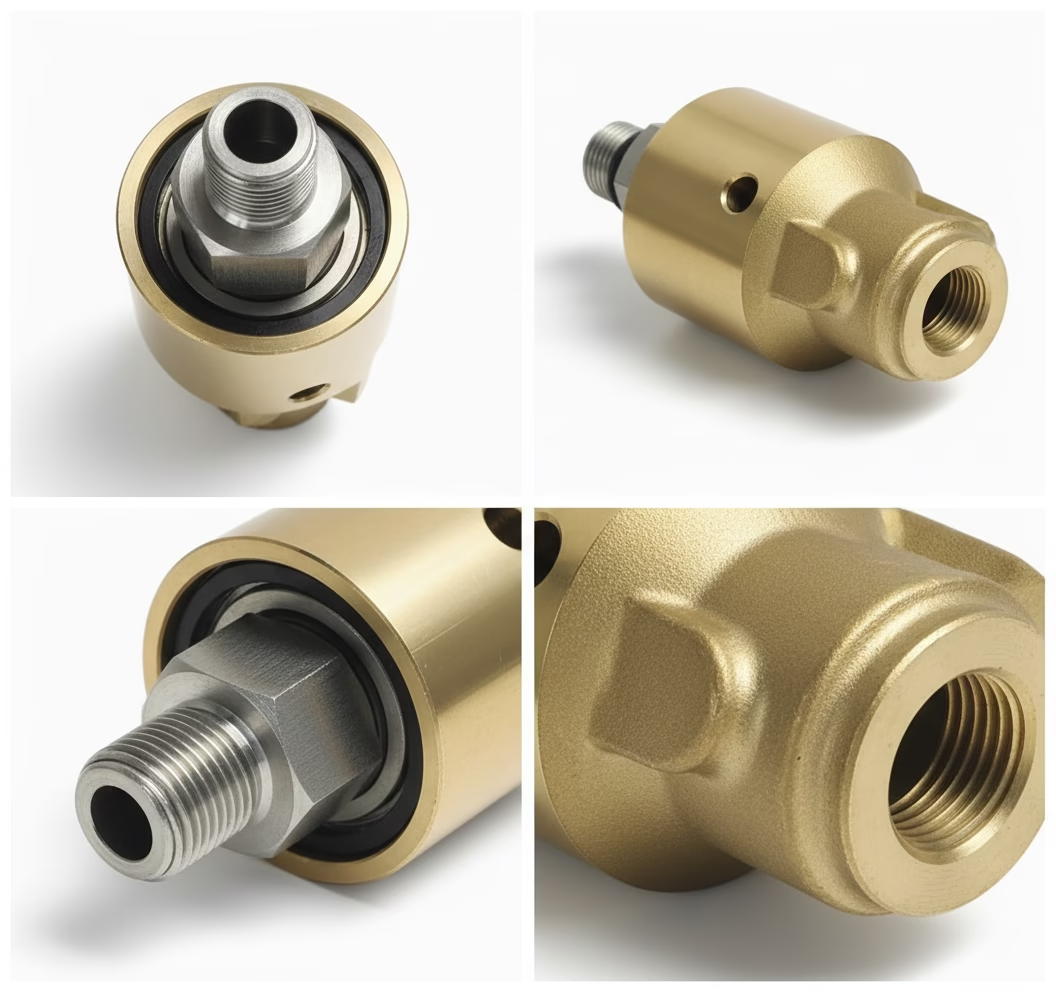
A High temperature rotary joint is designed to connect two rotating parts while allowing hot media to pass through without leakage. Its materials, seals, bearings, and overall structure are optimized to resist thermal expansion, corrosion, and wear.
Below are the main characteristics of high temperature rotary joints—understanding these will help explain why proper maintenance is crucial.
1. Able to Operate at Extreme Temperatures
High temperature rotary joints can reliably operate at 200°C and above, depending on the design. Some advanced rotary unions can withstand temperatures exceeding 1000°C, particularly in industries such as metallurgy, smelting, or high-temperature heating systems.
These joints must manage:
-
Rapid temperature fluctuations
-
Thermal expansion and contraction
-
Heat-induced stress on seal faces
-
Continuous exposure to hot steam or thermal oil
This makes material selection and structural design extremely critical.
2. Excellent High-Temperature Sealing Performance
A main function of the High temperature rotary joint is to maintain tight and stable sealing while rotating at high speed.
The sealing materials must have:
-
High thermal stability
-
Chemical resistance
-
Wear resistance
-
Elasticity at elevated temperatures
Many high-temperature rotary unions use mechanical seals made from carbon graphite, silicon carbide, tungsten carbide, or other special ceramic materials.
3. Low Friction and Smooth Rotational Performance
Even under extreme heat, the rotary joint must maintain:
-
Low torque
-
Smooth rotation
-
Low friction coefficient
This reduces energy loss and prevents overheating, which is especially important in high-speed rotating equipment such as calender rollers, drying cylinders, and heat transfer drums.
4. Corrosion and Wear Resistance
High temperature working environments often include:
-
Hot steam
-
Hot oil
-
Chemicals
-
Oxidizing atmospheres
Therefore, the housing, rotor, and sealing faces must be made from corrosion-resistant and high-strength materials. This ensures long-term durability even under harsh industrial conditions.
5. Customizable Design Based on Operating Conditions
A High temperature rotary joint is often customized according to:
-
Medium type (steam, thermal oil, nitrogen, exhaust gas)
-
Operating temperature
-
Pressure
-
Rotational speed
-
Equipment structure
-
Installation constraints
The more extreme the operating condition, the more important maintenance becomes.
Why Maintenance is Critical for High Temperature Rotary Joints
Because high temperature rotary joints run under harsh conditions, improper operation or lack of maintenance can easily lead to:
-
Leakage
-
Seal wear
-
Bearing failure
-
Vibration
-
Overheating
-
Unexpected downtime
Proper maintenance minimizes these risks and prolongs both the rotary joint and equipment lifespan. The following maintenance guidelines apply widely across industries and are based on real-world use cases.
8 Essential Maintenance Tips for High Temperature Rotary Joints
Below are eight detailed maintenance recommendations to help operators ensure safe, efficient, and long-lasting performance of high temperature rotary joints.
1. Avoid Direct Contact During Operation or High-Temperature Media Flow
When a rotary joint is running—especially under high pressure or high temperature—operators should not approach or touch the joint.
Reasons:
-
Surface temperatures may exceed 200°C
-
Sudden leakage may cause burns
-
High-speed rotation can cause accidental injury
Always follow safety protocols and wear thermal protection gear when inspecting the unit.
2. Apply Lubrication Regularly if the Design Includes a Grease Port
Some high temperature rotary joints include:
-
Lubrication fittings
-
Grease points
-
Bearing lubrication ports
These must be lubricated periodically according to manufacturer recommendations.
For rotary unions without lubrication ports, maintenance is simpler:
-
Regularly check for leakage caused by seal wear
-
Observe any abnormal noise or vibration
-
Inspect the external housing for temperature irregularities
Otherwise, no additional lubrication is required.
3. Avoid Long Periods of Dry Running (No Fluid Flow)
A high temperature rotary joint should not operate without media for extended periods.
Consequences of dry running include:
-
Accelerated wear of sealing surfaces
-
Friction heat leading to overheating
-
Electrical spark-like corrosion on seal surfaces
-
Linear wear scars and spotted surface damage
Dry running is one of the most common causes of early joint failure.
If dry rotation is unavoidable, reduce rotational speed and operating time as much as possible.
4. Start the Rotary Joint Gradually to Avoid Thermal Shock
Before allowing steam, hot oil, or high-temperature fluid to enter the rotary joint, always:
-
Gradually increase rotational speed
-
Slowly raise pressure
-
Allow temperature to rise in stages
Sudden temperature changes cause:
-
Rapid thermal expansion
-
Seal deformation
-
Internal stress cracking
-
Increased leakage risk
During warm-up, observe for:
-
Vibration
-
Abnormal noise
-
Temperature spikes
Early detection of irregularities prevents catastrophic failure.
5. Stop Operation Immediately If Leakage Occurs
If leakage is detected:
-
Do not continue operating
-
Shut down the equipment immediately
-
Identify and address the root cause
Running with leakage may result in:
-
Seal destruction
-
Rotor damage
-
Bearing failure
-
Increased temperature
-
Safety hazards
Common leakage causes include:
-
Seal wear
-
Thermal deformation
-
Incorrect installation
-
Excessive pressure
-
Contaminant infiltration
Proper troubleshooting ensures safe operation afterward.
6. Do Not Leave the Rotary Joint Idle for Long Periods After Shutdown
When equipment is stopped, the rotary joint should not be left unused for too long.
Potential risks:
-
Rust formation
-
Seal surface adhesion
-
Contaminant buildup
-
Hardening of sealing materials
Idle equipment should be periodically rotated or flushed with protective media.
7. Inspect Seal Wear, Surface Condition, and Friction Tracks During Scheduled Maintenance
Every scheduled maintenance interval should include:
-
Inspection of sealing face wear (normal wear is about 5–10 mm)
-
Checking for friction track abnormalities
-
Identifying scratches, grooves, or three-point discontinuous wear patterns
If significant wear or damage is found:
-
Replace the seal immediately
-
Inspect rotor alignment
-
Verify pressure and temperature controls
Preventative seal replacement is far cheaper than unexpected downtime.
8. Handle Fault Conditions and Disassembly Carefully
If a failure occurs:
-
Shut down the system promptly
-
Release all internal media
-
Ensure internal pressure is zero
-
Allow temperature to cool fully
Only then should disassembly begin.
During disassembly:
-
Avoid damaging seal faces
-
Handle thermal oil residues safely
-
Inspect internal channels for deposits
-
Check bearing condition and lubrication
Following proper disassembly procedures ensures safe repair and reinstallation.
Conclusion: Proper Maintenance Ensures Long-Term Reliability
A High temperature rotary joint is a critical component in many industrial systems, and maintaining it properly is the key to ensuring operational reliability. By understanding the joint’s structure, working conditions, and potential failure mechanisms, operators can implement an effective maintenance strategy to:
-
Reduce leakage risk
-
Minimize downtime
-
Extend service life
-
Improve equipment safety
-
Increase energy efficiency
Whether the rotary joint is used for steam heating, thermal oil transfer, drying cylinders, or high-temperature industrial processing, the maintenance tips above provide a practical, engineering-based reference for long-term and stable operation.
If your factory relies on high-temperature equipment, routine inspection and proper operation of rotary joints are not just good practice—they are essential for sustainable productivity.