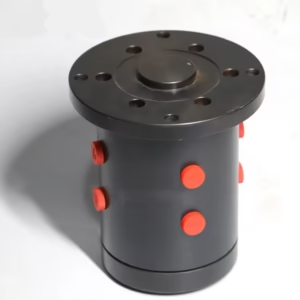
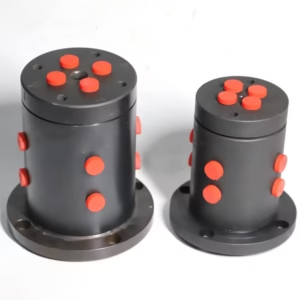
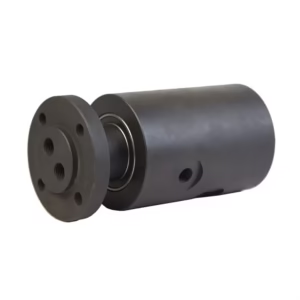
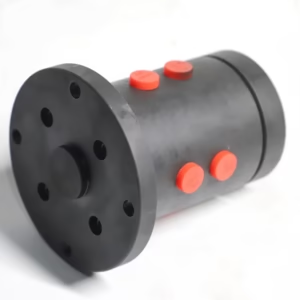
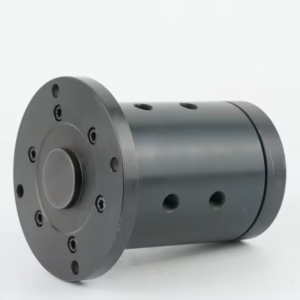
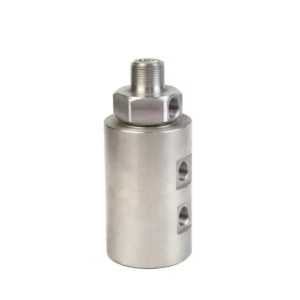
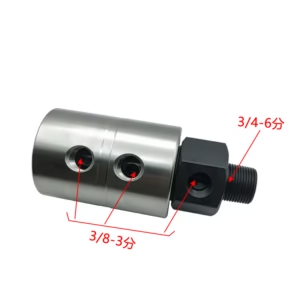
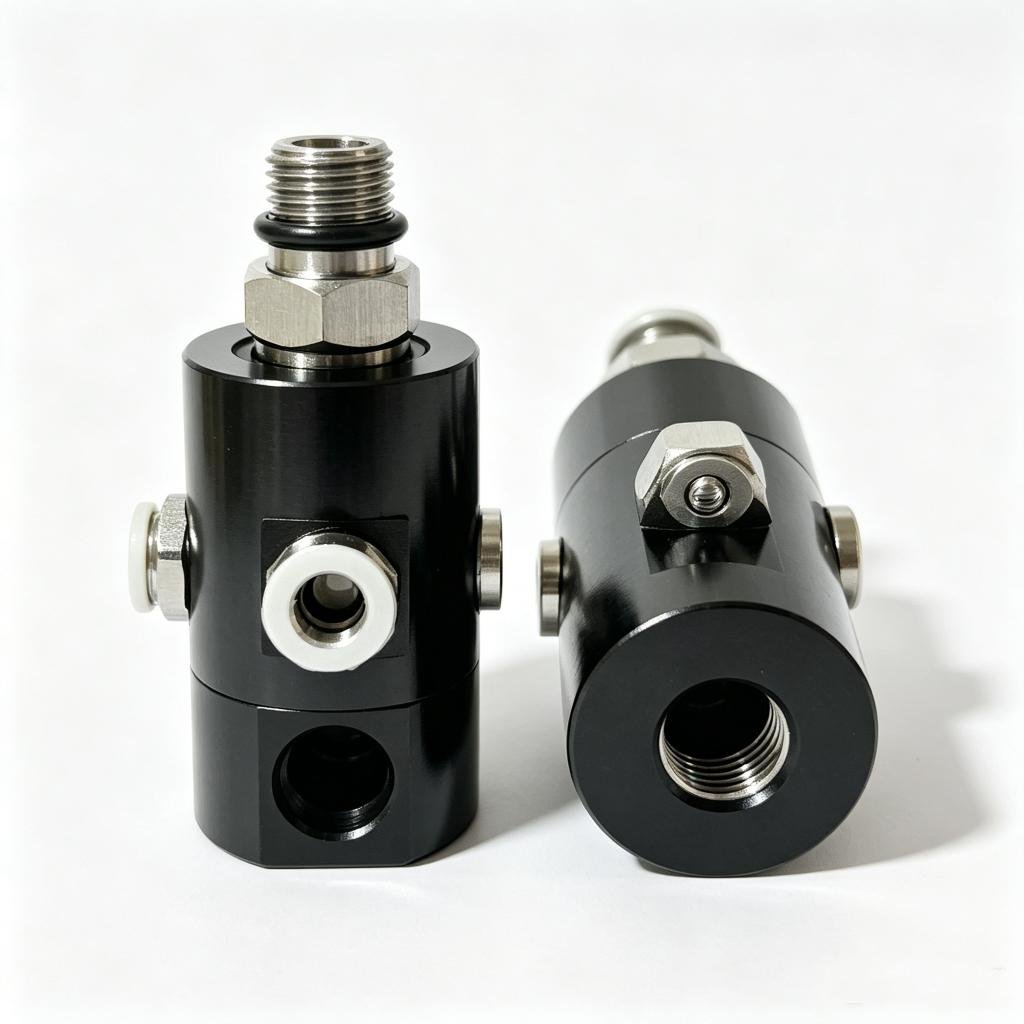
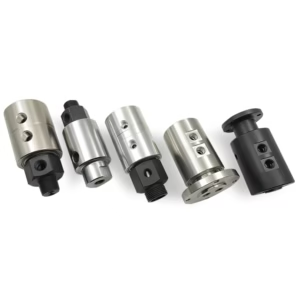
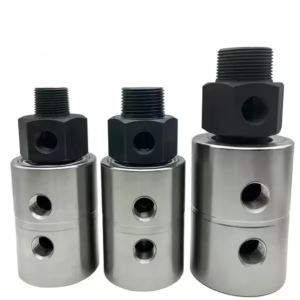
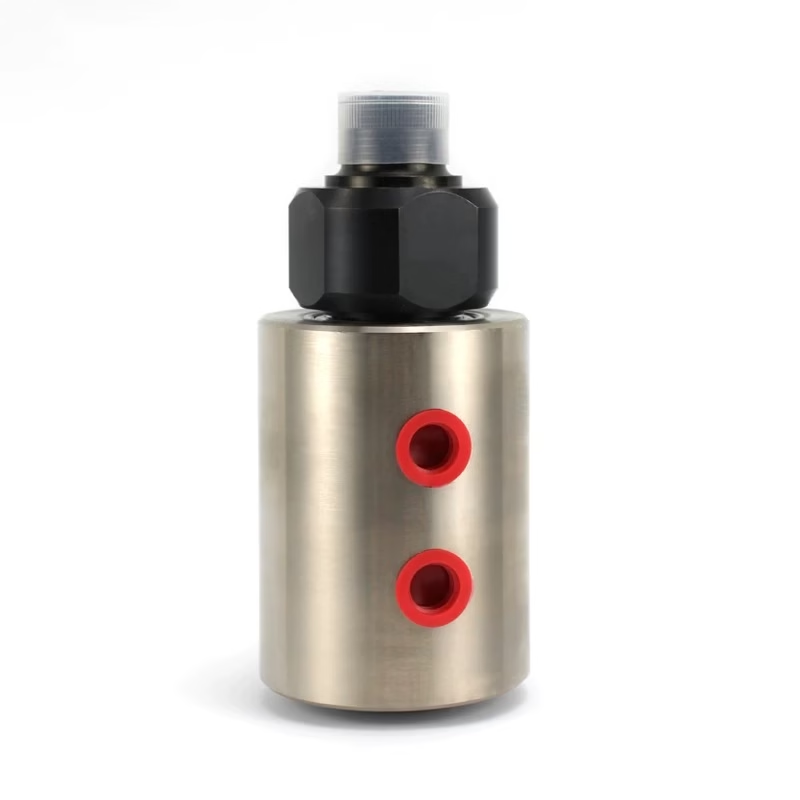
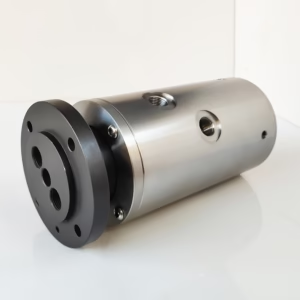
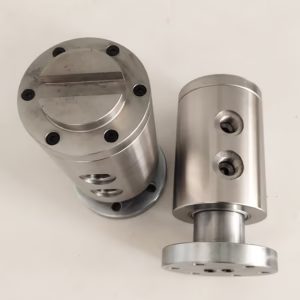
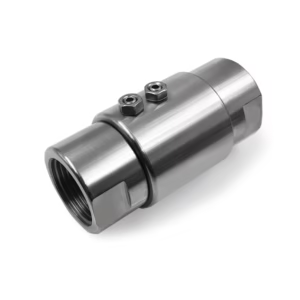
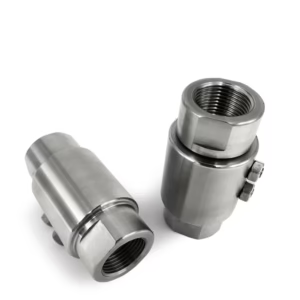
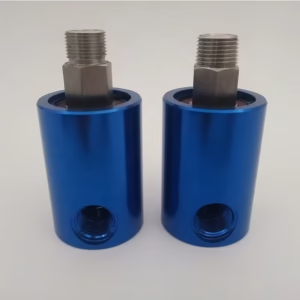
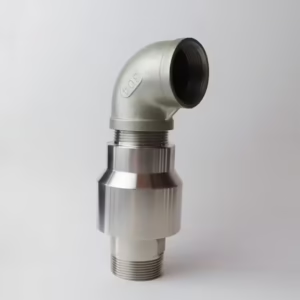
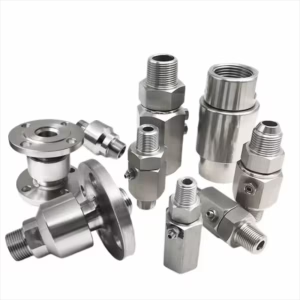
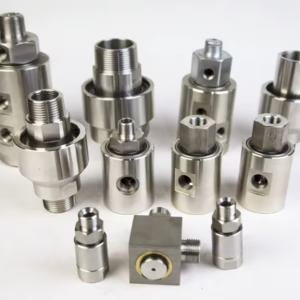
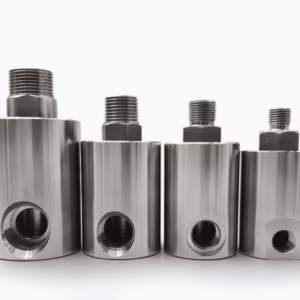
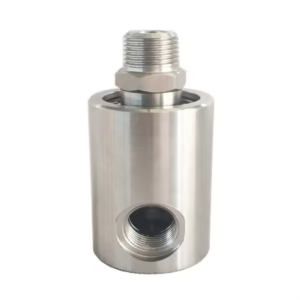
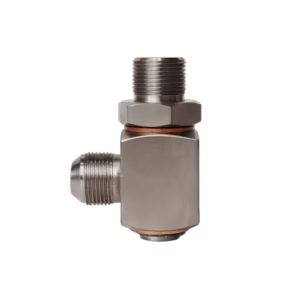
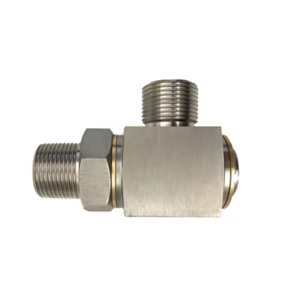
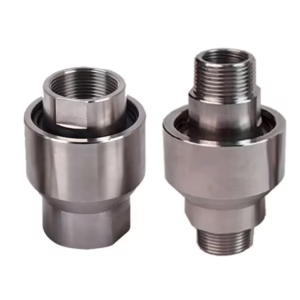
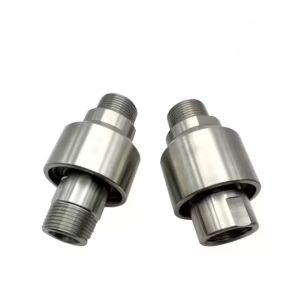
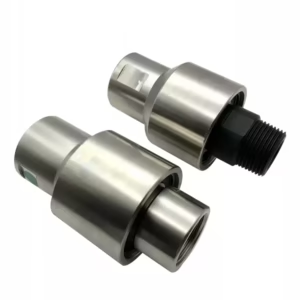
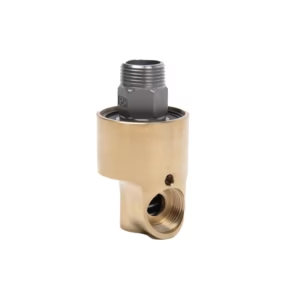
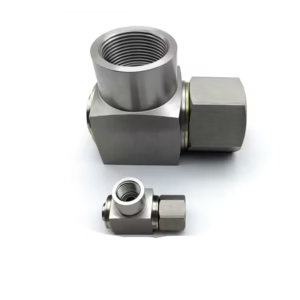
A High Pressure Rotary Union is a mechanical device that facilitates the transfer of fluids (such as oil, water, or chemicals) between stationary and rotating components under high-pressure conditions. These unions are engineered to withstand extreme pressures, making them essential in industries like oil and gas, offshore drilling, and high-performance manufacturing. They are specialized mechanical devices designed to transfer fluids (such as hydraulic oil, water, or air) between stationary and rotating components under extreme pressure conditions. These components are critical in industries like oil and gas, aerospace, manufacturing, and energy production, where reliable fluid transfer is essential for operational efficiency and safety.
Key Features of High-Pressure Rotary Unions
Pressure Handling Capacity
High-pressure rotary unions can operate at pressures exceeding 10,000 PSI, with some models, like the DSTI HPS Series, capable of handling up to 20,000 PSI.
These unions are designed to maintain performance under extreme conditions without leakage or failure.
Material Construction
Typically made from high-strength materials such as stainless steel, Hastelloy, or super-duplex stainless steel, ensuring durability and corrosion resistance in harsh environments. suitable for harsh marine and offshore conditions.
Sealing components often include tungsten carbide or impregnated Teflon for enhanced wear resistance.
Sealing Technology
Advanced sealing systems such as microlapped tungsten carbide-to-tungsten carbide seals minimize friction and ensure long service life even under abrasive conditions.
Double-row bearings support high-speed rotation while maintaining seal integrity.
Multi-Passage Configurations
Available in single or multiple fluid passage designs (e.g., 1 to 16 passages), enabling the simultaneous transfer of different fluids without mixing.
Multi-passage models are ideal for complex systems requiring hydraulic oil, coolant, and air transfer in parallel.
Temperature Resistance
Most high-pressure rotary unions can withstand temperatures up to 225°F (107°C) or higher, depending on the application requirements.
Rotational Speed
Designed for moderate to high rotational speeds (e.g., up to 3,500 RPM), ensuring compatibility with dynamic systems like drilling rigs and CNC machinery.
Applications of High Pressure Rotary Union
Oil and Gas Industry
Used in offshore drilling rigs to transfer hydraulic fluids to rotating drill heads under extreme pressure conditions.
Subsea applications include umbilical reel systems for installation and intervention tasks.
Aerospace Sector
Essential in aircraft hydraulic systems for landing gear actuation and control surfaces that require high-pressure fluid delivery during rotation.
Manufacturing and Machining
Integrated into CNC machining centers to supply coolant or cutting fluids at high pressures, improving precision and tool longevity.
Hydraulic presses use these unions to deliver fluid to cylinders for metal forming.
Energy Production
Deployed in wind turbines for pitch control mechanisms that require high-pressure hydraulic oil transfer between stationary nacelles and rotating blades.
Automotive Testing Equipment
Used in dynamometers to simulate real-world conditions by transferring hydraulic fluid under high pressure during rotational testing of engines and transmissions.
Advantages of High Pressure Rotary Union
Leak-Free Performance
Advanced sealing technologies ensure minimal leakage even at extreme pressures, reducing fluid loss and environmental impact.
Durability Under Harsh Conditions
High-strength materials and precision engineering allow these unions to operate reliably in abrasive environments such as mining or subsea applications.
Versatility Across Fluids
Compatible with a wide range of fluids, including hydraulic oil, water, air, steam, and coolants, making them suitable for diverse industries.
Cost-Effectiveness
Reduced downtime due to reliable performance leads to lower maintenance costs over the equipment’s lifecycle.
Customizability
Manufacturers offer tailored solutions with specific thread types, slip rings for data transfer, or multi-passage configurations based on unique operational needs.
Selection Criteria for High-Pressure Rotary Unions
When selecting a high-pressure rotary union, consider the following factors: Operating Pressure Range: Ensure compatibility with system pressure requirements (e.g., 10,000 PSI or higher). Fluid Type: Choose materials resistant to the specific fluid being transferred (e.g., stainless steel for corrosive media). Rotational Speed: Verify that the union can handle the system’s speed without compromising seal integrity. Temperature Resistance: Select a model rated for the operating temperature range of your application. Number of Passages: Determine whether a single-passage or multi-passage design is needed based on fluid transfer complexity.
Conclusion
High-pressure rotary unions are indispensable components in modern industrial systems requiring efficient fluid transfer under extreme conditions. Their robust design, advanced sealing technologies, and adaptability make them essential for applications ranging from oil drilling to aerospace testing. By selecting the right specifications and maintaining proper installation protocols, industries can achieve enhanced productivity, reduced downtime, and long-term cost savings with these versatile devices.
Showing all 21 resultsSorted by price: high to low
 Key Features of High-Pressure Rotary Unions