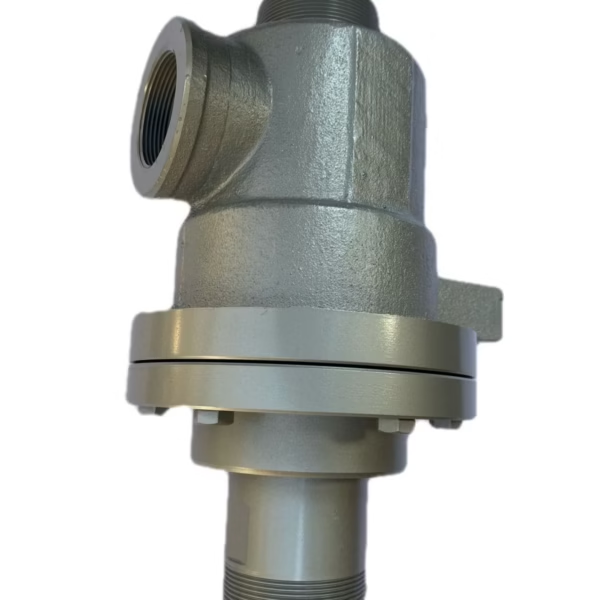
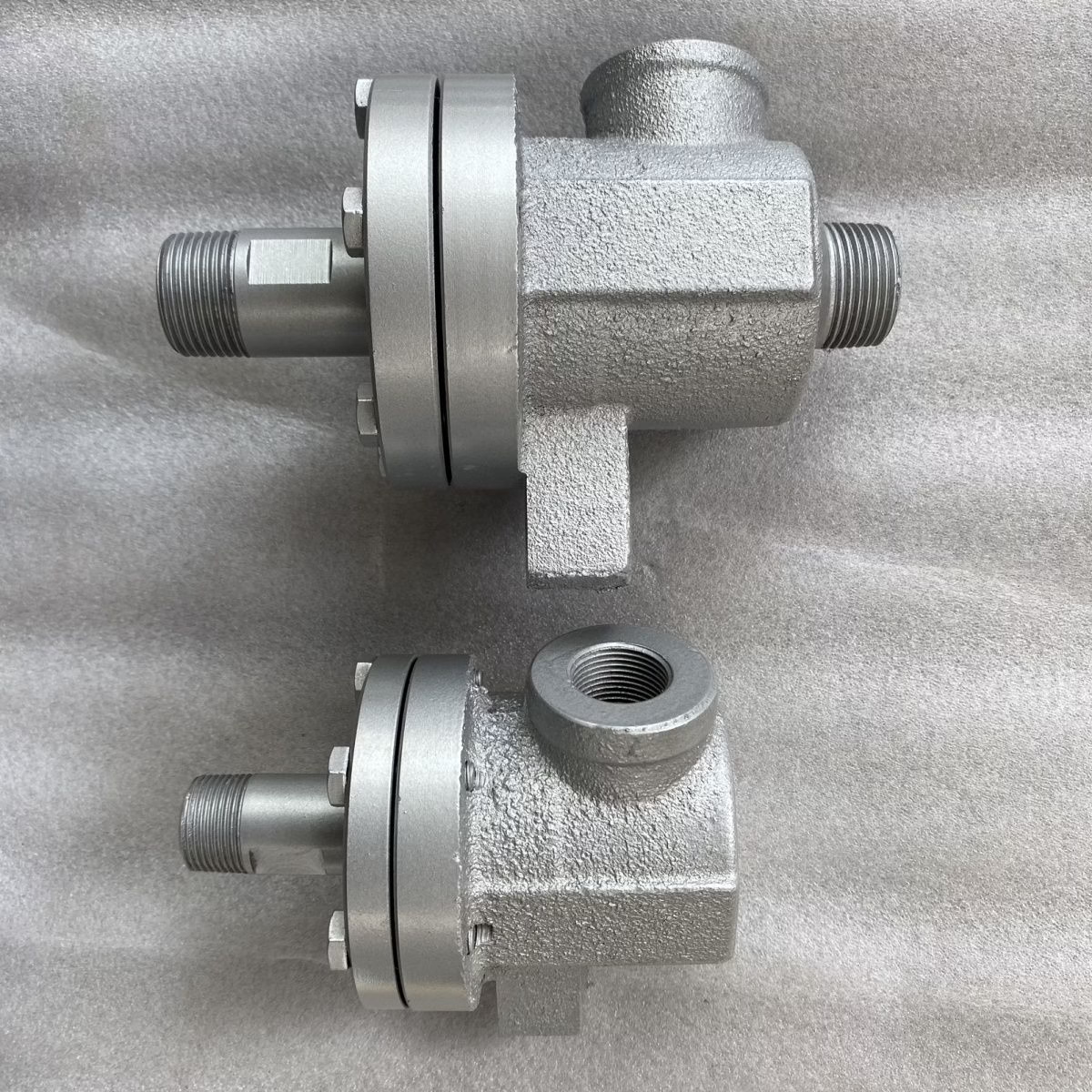
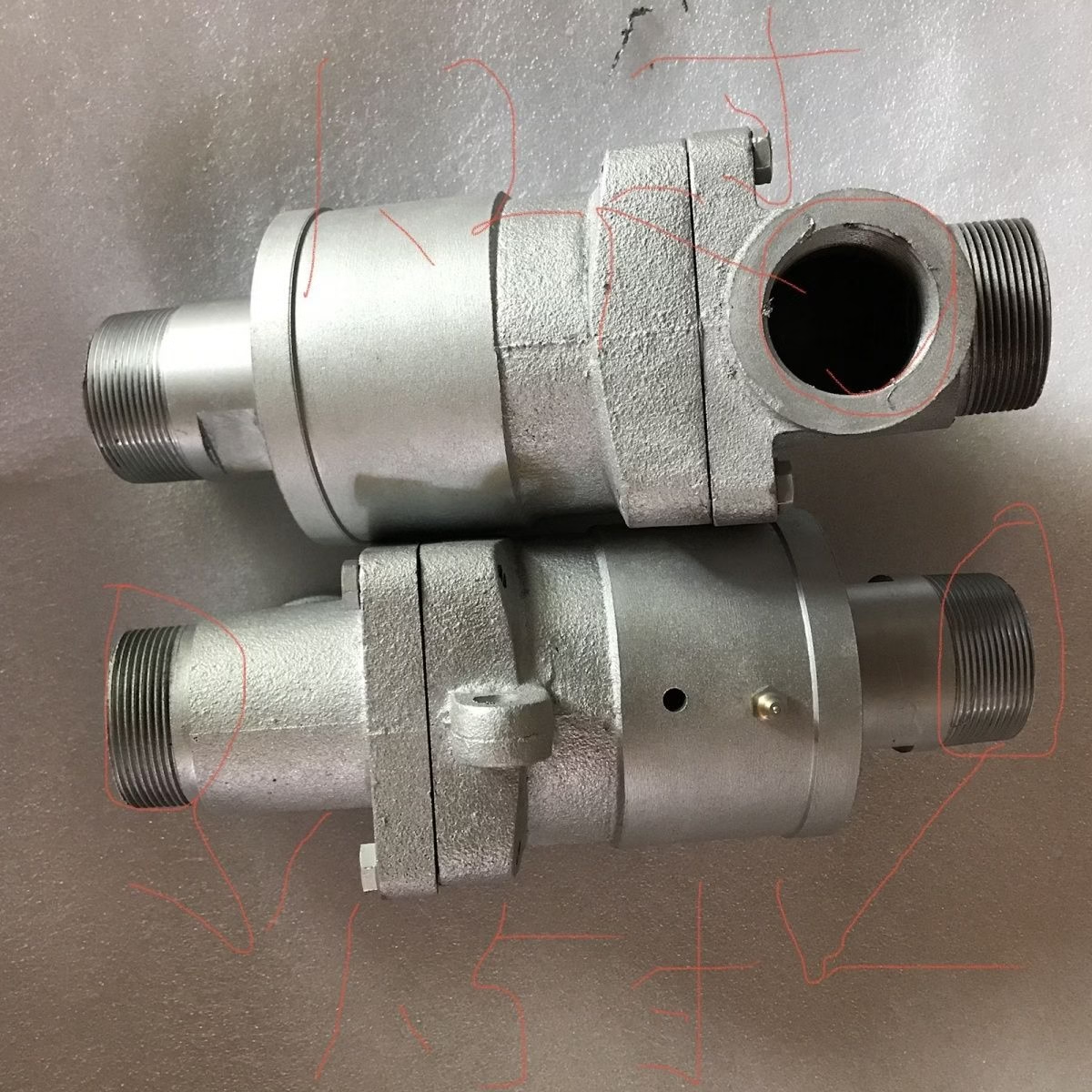
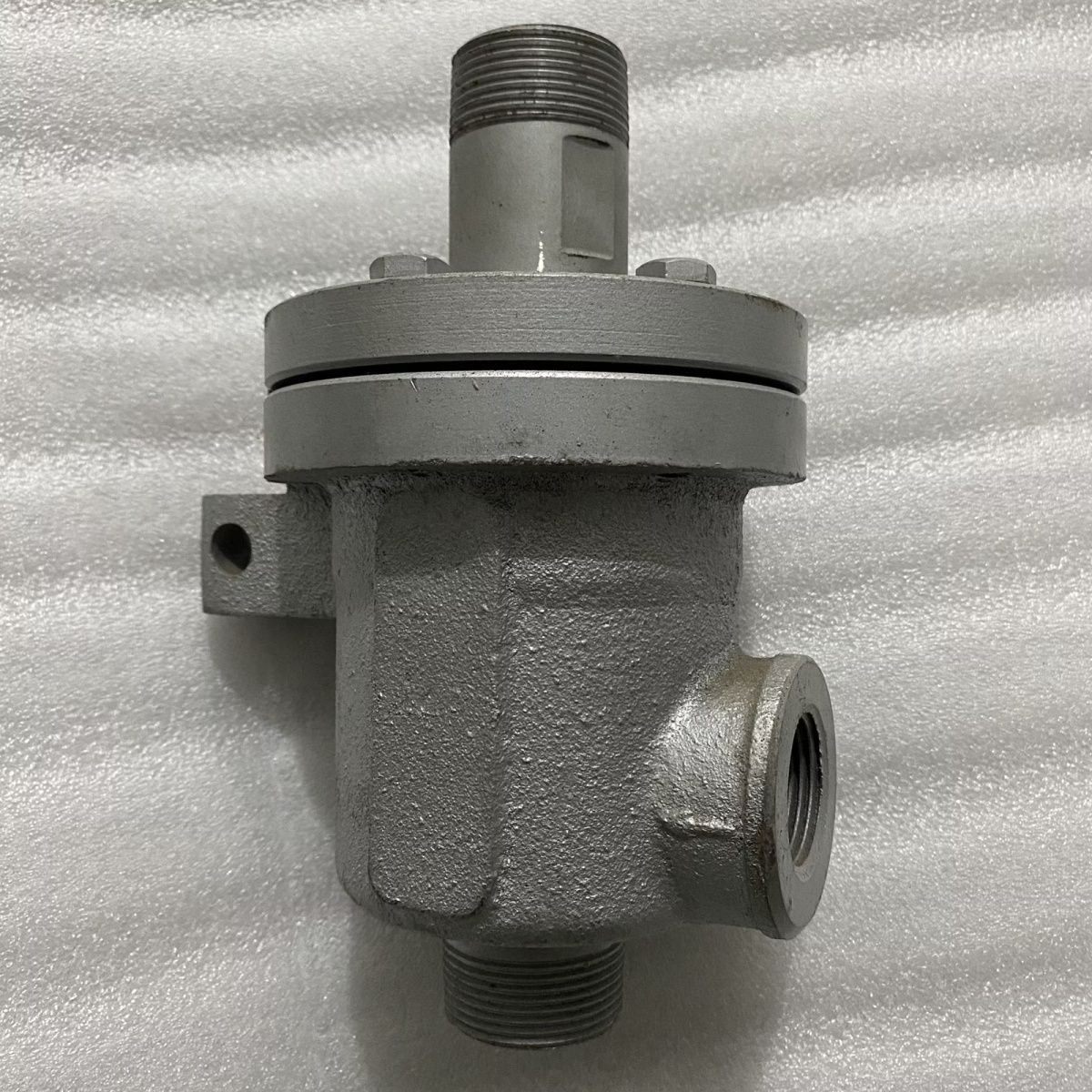
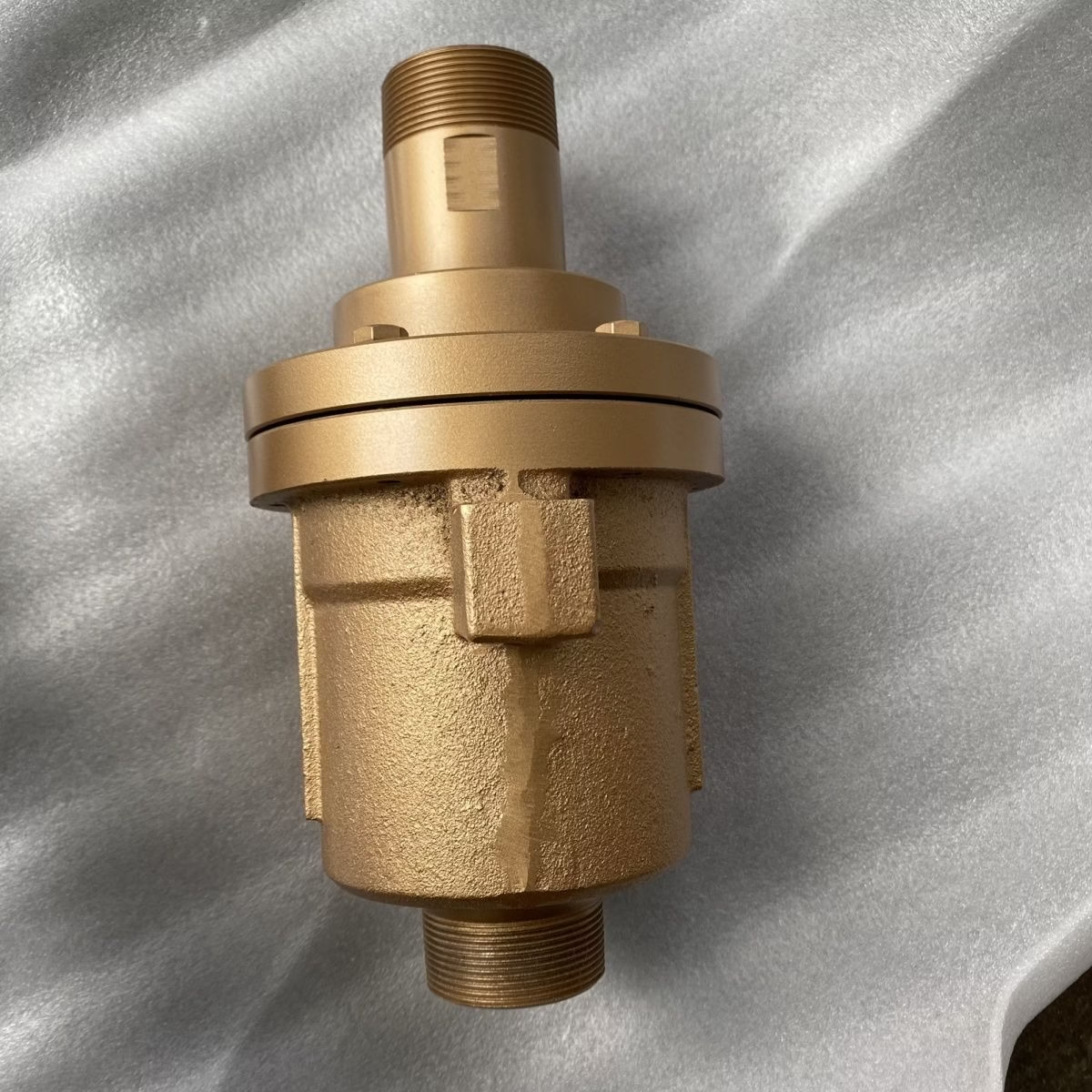
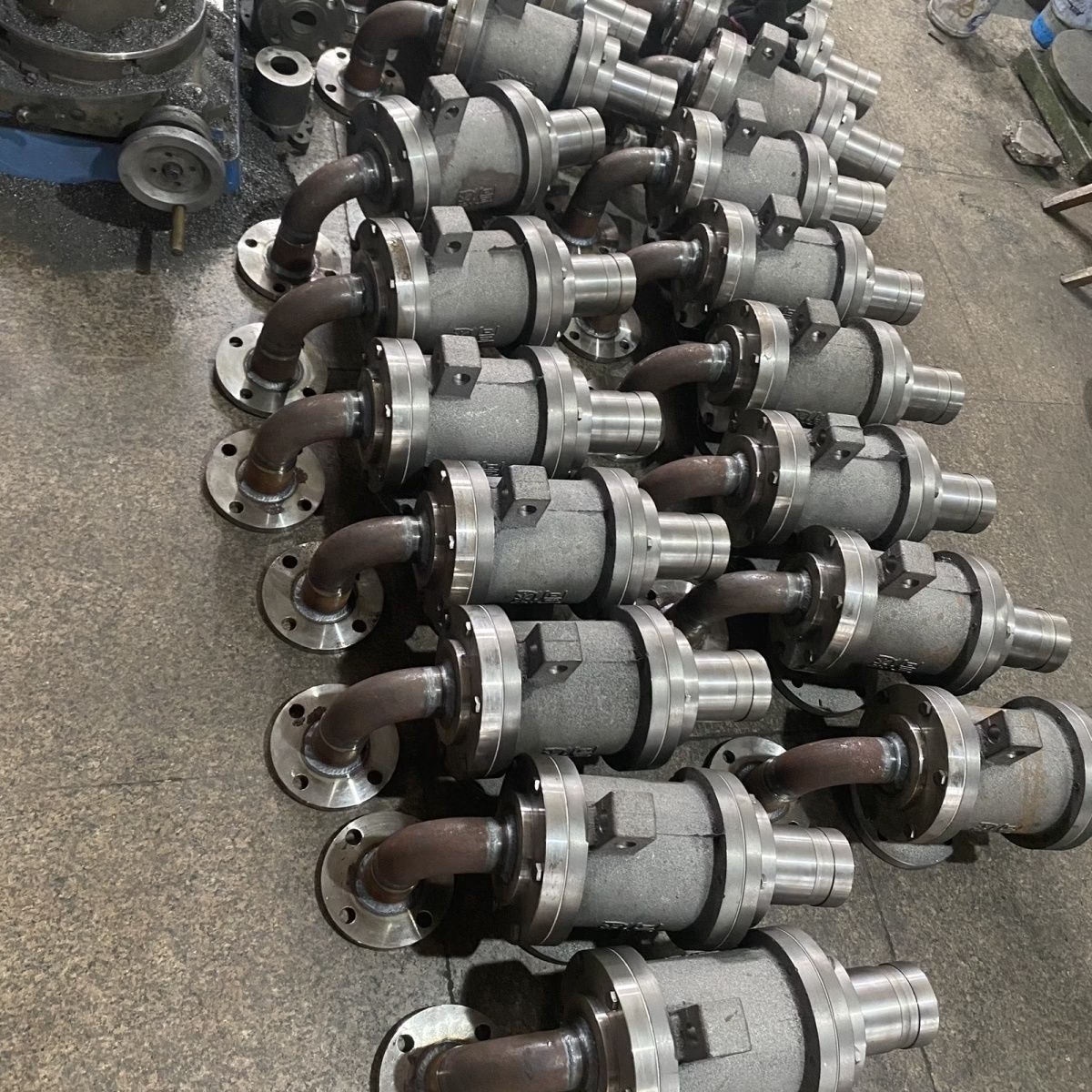
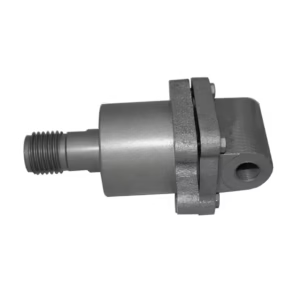
Steam Rotary Joint for Paper Dryers and Industrial Heating Systems
Original price was: $35.00.$28.50Current price is: $28.50.
- Material: Stainless Steel (SS304/SS316), Carbon Steel
- Pressure Rating: Up to 1500 PSI (customizable up to 3000 PSI)
- Temperature Range: Up to 250°C (482°F) (higher temperatures available upon request)
- Port Sizes: 1/4” to 2” NPT/BSP/DIN (custom sizes available)
- Max RPM: 1000 RPM (higher speeds on request)
- Seals: Graphite, PTFE, or Viton® for high-temperature and chemical resistance
Description
Steam is the primary heat transfer medium used in paper manufacturing. From tissue production lines to kraft paper machines and board mills, steam-heated drying cylinders play a critical role in removing moisture and maintaining production efficiency. A high-quality Steam Rotary Joint ensures reliable steam transfer into rotating dryer cylinders while safely removing condensate generated during operation.
At Dann Hydraulic, we manufacture steam rotary joints designed specifically for demanding industrial environments, with extensive experience supporting paper mills, corrugated board plants, textile finishing lines, and rubber processing facilities.
Our steam rotary joints are engineered to withstand continuous operation, elevated temperatures, condensate exposure, and harsh mill environments while maintaining stable sealing performance.

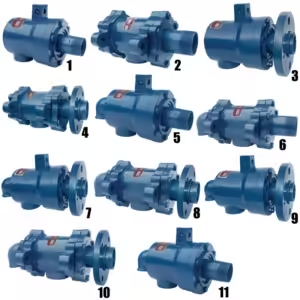
| Model | Port Size | Max Temp | Syphon Type | Recommended Use |
|---|---|---|---|---|
| Q15 | ½" | 200°C | Fixed | Small dryers |
| Q25 | 1" | 220°C | Fixed or rotary | Printing machines |
| Q40 | 1½" | 230°C | Rotary | Paper calenders |
| Q65 | 2½" | 250°C | Rotary | Textile finishing equipment |
| Q100 | 4" | 250°C | Rotary | Large cylinder dryers in paper mills |
 Why Steam Rotary Joints Are Critical in Paper Manufacturing
In a paper machine, steam enters the rotating dryer cylinder through the rotary joint.
As the cylinder rotates:
- Steam transfers thermal energy to the shell.
- Moisture evaporates from the paper sheet.
- Condensate forms inside the cylinder.
- Condensate must be continuously removed.
The steam rotary joint serves as the connection between the stationary steam supply system and the rotating drying cylinder.
Without a properly designed rotary joint, paper mills may experience:
- Steam leakage
- Reduced drying efficiency
- Excessive condensate accumulation
- Uneven paper moisture
- Increased energy consumption
- Unplanned shutdowns
For this reason, steam rotary joints are considered one of the most important components in a paper machine drying section.
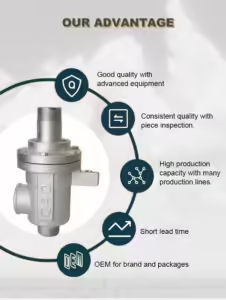
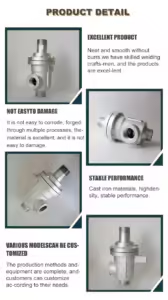
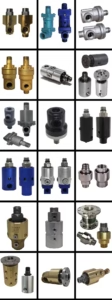

Typical Applications of Steam Rotary Joints
Paper Machine Dryer Cylinders
The most common application is paper drying cylinders.
Steam rotary joints deliver:
- Saturated steam
- Superheated steam
- Condensate removal
Applications include:
- Tissue paper machines
- Kraft paper production
- Packaging paper lines
- Coated paper production
- Specialty paper manufacturing
Yankee Dryer Systems
Yankee dryers operate at elevated temperatures and require a stable steam flow.
A reliable rotary joint ensures:
- Uniform temperature distribution
- Improved sheet quality
- Reduced steam loss
Corrugated Board Production
Steam-heated rollers are widely used in corrugator machines.
Steam rotary joints provide:
- Efficient heat transfer
- Stable operating temperatures
- Long service life
Textile Finishing Equipment
Steam-heated drums and rollers are used for:
- Drying
- Ironing
- Heat treatment
Rotary joints ensure uninterrupted steam delivery.
Rubber and Tire Manufacturing
Steam remains essential during vulcanization and curing processes.
Reliable sealing performance helps reduce energy waste and downtime.
 Engineering Considerations for Paper Mill Applications
Selecting the correct steam rotary joint requires evaluating multiple operating parameters.
Key considerations include:
Steam Pressure
Different paper machines operate at different pressure levels.
Proper seal balancing is essential.
Steam Temperature
Operating temperature directly influences:
- Seal material selection
- Bearing configuration
- Lubrication requirements
Cylinder Speed
Rotational speed affects:
- Seal wear
- Bearing life
- Heat generation
Condensate Removal Method
Different systems may utilize:
- Siphon systems
- Stationary siphons
- Rotary siphons
Each configuration requires specific rotary joint designs.

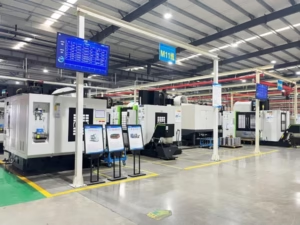

Manufacturing Experience Matters
A steam rotary joint may appear simple from the outside.
However, long service life depends on numerous engineering details.
At Dann Hydraulic, we manufacture rotary joints rather than simply reselling products.
Our production capabilities include:
- CNC machining
- Precision grinding
- Seal assembly
- Dynamic testing
- Pressure testing
- Dimensional inspection
Every steam rotary joint is inspected before shipment.
Real Experience from Paper Industry Applications
Over the years, our engineering team has supported paper mills operating:
- Tissue machines
- Packaging paper machines
- Board production lines
- Specialty paper equipment
Common customer objectives include:
- Reducing steam leakage
- Extending maintenance intervals
- Lowering energy consumption
- Replacing expensive imported rotary joints
By analyzing actual operating conditions rather than relying solely on catalog specifications, we help customers select rotary joints better suited to their production requirements.
This practical field experience forms an important part of our engineering approach.
 Replacement Solutions for Imported Steam Rotary Joints
Many paper mills seek alternatives to expensive imported rotary joints.
We provide replacement solutions for various international designs while maintaining:
- Dimensional compatibility
- Reliable sealing performance
- Competitive lead times
- Cost-effective ownership
Custom manufacturing is available based on:
- Drawings
- Samples
- Existing equipment specifications

Quality Control and Testing
Every steam rotary joint undergoes rigorous inspection procedures.
Testing may include:
- Pressure testing
- Leakage verification
- Rotation testing
- Dimensional inspection
These procedures help ensure consistent product quality before shipment.

Frequently Asked Questions
What is the primary function of a steam rotary joint?
A steam rotary joint transfers steam from stationary piping into rotating equipment while simultaneously allowing condensate removal.
Why are steam rotary joints important in paper machines?
They ensure efficient heat transfer to dryer cylinders, which directly affects paper quality, drying performance, and energy efficiency.
What sealing technology is best for steam applications?
Carbon seal technology is widely recognized as the preferred choice because of its thermal stability and resistance to temperature fluctuations.
Can your steam rotary joints replace imported brands?
Yes. We regularly manufacture replacement steam rotary joints based on customer drawings, samples, or technical specifications.
How can steam leakage be reduced?
Proper seal selection, correct installation, regular maintenance, and using a rotary joint designed for the operating conditions are the most effective methods.
Common Steam Rotary Joint Problems in Paper Mills
Our engineering team regularly analyzes failed rotary joints returned from paper mills around the world.
Several recurring issues are commonly observed.
Problem 1: Steam Leakage
Steam leakage is one of the most frequent maintenance complaints.
Typical causes include:
- Worn seal faces
- Improper installation
- Excessive vibration
- Thermal expansion
Consequences include:
- Energy loss
- Safety hazards
- Reduced production efficiency
Our Solution
Our steam rotary joints utilize specially selected carbon seal materials and optimized spring loading systems.
These designs maintain consistent sealing force even during thermal expansion cycles.
Problem 2: Excessive Condensate Accumulation
Poor condensate removal can significantly reduce drying performance.
When condensate remains inside the dryer cylinder:
- Heat transfer decreases
- Drying efficiency drops
- Paper quality becomes inconsistent
Our Solution
We design rotary joints with optimized condensate flow paths to ensure efficient removal under various operating conditions.
Problem 3: Thermal Cracking of Seal Components
Paper machines frequently experience:
- Startup cycles
- Shutdown cycles
- Rapid temperature fluctuations
These thermal shocks can damage sealing elements.
Our Solution
Our engineering team carefully selects materials capable of withstanding repeated thermal cycling without premature failure.
Problem 4: Bearing Failure
Steam environments create challenging operating conditions.
Moisture ingress may damage bearings and shorten service life.
Symptoms include:
- Increased vibration
- Noise
- Seal misalignment
Our Solution
High-quality bearing arrangements and protective design features help extend service life in demanding paper mill environments.

Partner with an Experienced Steam Rotary Joint Manufacturer
In paper production, every percentage point of drying efficiency affects operating costs, product quality, and machine productivity.
A properly engineered steam rotary joint helps paper mills reduce steam loss, improve condensate removal, and maintain stable operation throughout long production cycles.
With extensive manufacturing experience, application knowledge, and in-house production capabilities, Dann Hydraulic provides reliable steam rotary joint solutions for paper industry customers seeking performance, durability, and long-term value.
Related products
-
Sale!

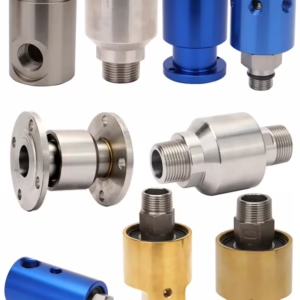
Pneumatic Rotary Union for Compressed Air Applications
Original price was: $50.00.$30.00Current price is: $30.00. -
Sale!
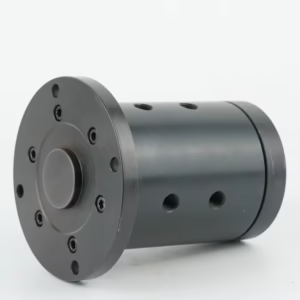
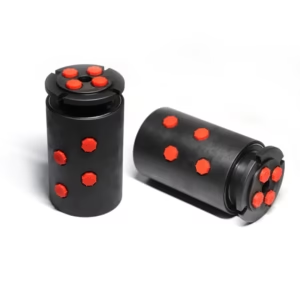
High Performance Replacement Solution for Deublin Type 4 Passage Rotary Unions
Original price was: $220.00.$201.00Current price is: $201.00. -
Sale!

Rotary Union for Water
Original price was: $50.00.$40.00Current price is: $40.00. -
Sale!

Rotary Union for Paper Manufacturing Machines – Steam & Condensate Solutions for Dryer Cylinders
Original price was: $35.00.$30.00Current price is: $30.00.