
Only 3 Things You Need to Know to use high-speed and high-pressure rotary joint
In the realm of industrial mechanics, the high-speed and high-pressure rotary joint stands as a critical component, enabling the seamless transfer of fluids or gases between stationary and rotating systems. Whether in manufacturing, energy production, or aerospace, mastering the use of these joints is essential for ensuring operational efficiency and safety.
High-speed and high-pressure rotary joints are essential components in modern industrial machinery, enabling safe and efficient transfer of water, air, hydraulic oil, or other media between stationary and rotating equipment. However, to achieve stable performance, long service life, and leak-free operation, users must understand how to select, install, and maintain them correctly.
This guide explains three core principles every engineer, technician, or operator should follow when using a high-speed and high-pressure rotary joint. By mastering these three steps, you greatly reduce failure risk and ensure your rotary joint performs at its highest efficiency.
1. Understand All Operating Parameters Before Use
To use a high-speed and high-pressure rotary joint safely, the first step is knowing its operating limits. Each model is designed for a specific maximum speed, pressure, temperature, and fluid type. Exceeding these limits will quickly damage the rotary joint and shorten its service life.
Know the Limit Values
Before installation or operation, verify the following:
-
Maximum allowable speed (e.g., up to 1500 RPM for certain models)
-
Maximum working pressure (e.g., up to 25 MPa for hydraulic systems)
-
Maximum operating temperature (e.g., up to 85°C depending on seal material)
-
Compatible media (water, hydraulic oil, coolant, etc.)
Operating beyond these ranges will cause seal failure, overheating, leakage, bearing damage, or catastrophic failure.
Match Parameters with Actual Working Conditions
Always compare your application conditions with the rotary joint’s specification sheet:
-
If pressure is higher than the rated level → choose a high-pressure type
-
If speed is above design limits → select a high-speed model with precision bearings
-
If temperature is elevated → choose temperature-resistant seal materials
Proper parameter matching prevents overloading and significantly extends the life of your rotary joint.
2. Install the Rotary Joint Correctly and Carefully
Correct installation is vital for stable, long-term operation. A poorly installed rotary joint—even a high-quality one—can fail within days.
Follow the Recommended Installation Procedure
Each rotary joint must be installed strictly according to the manufacturer’s instructions:
-
Confirm dimensions, thread direction, and connection type
-
Ensure all passages, ports, and mounting surfaces align properly
-
Tighten fasteners evenly to avoid misalignment or gaps
-
Make sure the mounting structure is stable and free from vibration
Keep All Components Clean
Dirt, dust, and debris are the biggest enemies of mechanical seals. Before installation:
-
Clean all parts carefully
-
Remove foreign particles
-
Ensure the sealing surfaces are smooth and undamaged
Any contamination will harm the sealing surface and cause early failure.
Pay Attention to Important Installation Details
When assembling the rotary joint:
-
Carefully install the stationary ring and gland
-
Ensure the rotating ring is seated correctly
-
Check that the rotating joint does not touch the shaft during operation
-
Make sure the compensation ring moves smoothly
-
Verify that both internal precision bearings rotate freely
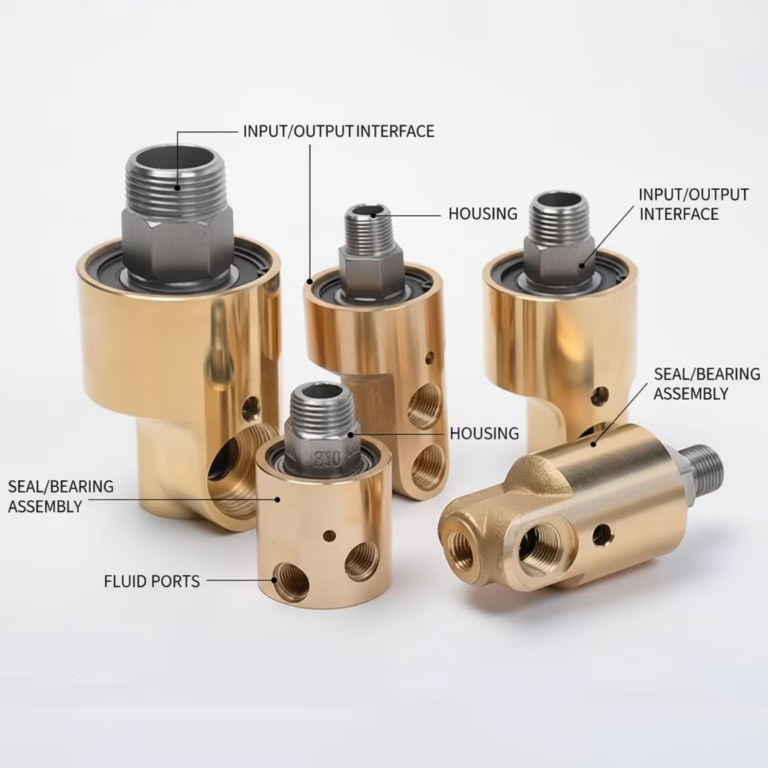
A high-speed and high-pressure rotary joint contains two internal precision bearings that support smooth rotation, low friction, and high stability. Proper installation ensures these bearings work effectively at high speed.
3. Maintain and Service the Rotary Joint Regularly
After installation, ongoing maintenance is essential to ensure long, stable, and safe operation.
Check Dimensional Accuracy and Concentricity
Misalignment is one of the most common causes of failure.
-
Inspect the hollow shaft and rotary body for concentricity
-
Check radial and axial runout
-
Correct any deviations immediately
Poor accuracy will increase wear and damage to both the seal and the bearings.
Replace Seal Components When Necessary
Seals naturally wear over time. Regular inspection is critical:
-
Look for scratches, grooves, or deformation
-
Replace seals immediately when serious wear appears
-
Avoid operating with leaking or damaged seals
Neglecting seal maintenance leads to performance loss and potential failure.
Lubricate According to Maintenance Intervals
High-speed bearings require proper lubrication:
-
Add lubricant at recommended intervals
-
Use the correct type of grease or oil
-
Avoid excessive or insufficient lubrication
-
If unsure, consult the manufacturer
For demanding applications, scheduling periodic on-site inspection or factory maintenance is highly recommended.
Good maintenance significantly improves reliability and extends overall equipment lifespan.
Conclusion
Using a high-speed and high-pressure rotary joint effectively requires only three key actions:
-
Understand all operating parameters to avoid overloading
-
Install correctly with clean components and precise alignment
-
Maintain seals, lubrication, and accuracy regularly
By following these core practices, you ensure the rotary joint delivers optimal performance, resists wear, and supports long-term stable operation in even the most demanding applications.
Remember, the longevity and performance of a rotary joint are direct reflections of the care invested in its selection, installation, and upkeep. Whether in heavy industry, energy production, or advanced manufacturing, adhering to these principles ensures optimal functionality, reduces operational risks, and maximizes return on investment. For further insights or customized solutions, engage with industry experts and stay abreast of technological advancements in rotary joint engineering.
By prioritizing these three essential aspects, you can transform a potentially problematic component into a reliable workhorse of your industrial system, driving efficiency, safety, and long-term success.
Dann Hydraulic Company has been focusing on the dynamic sealing industry for 10+ years, keeping up with market trends, close to customer needs, and providing the best solutions for every customer. The products are widely used in mechanical spindles and electric spindle equipment. If you have any needs, please feel free to contact us!