How to Install a Rotary Joint: Expert Instruction & Tips
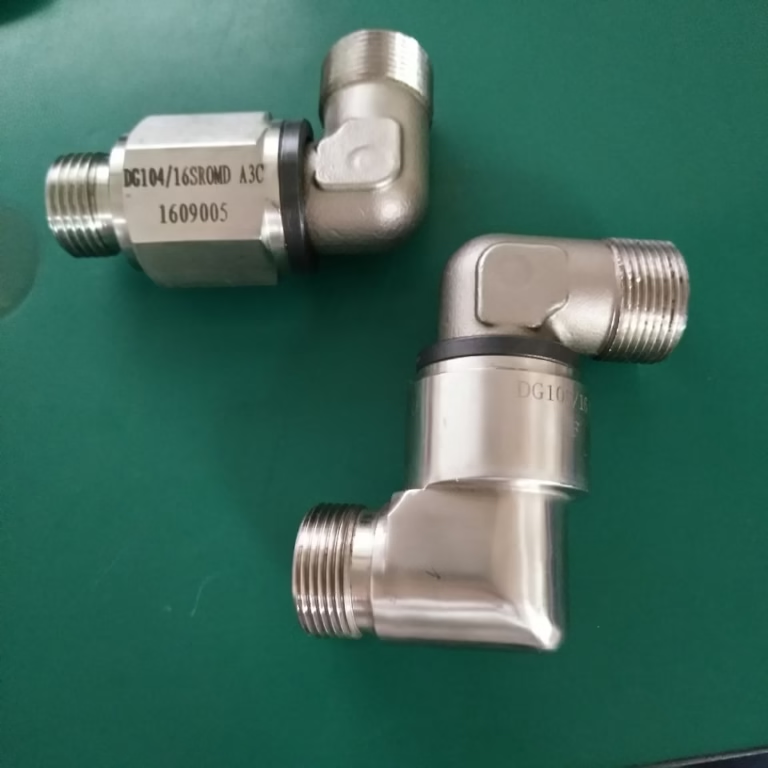
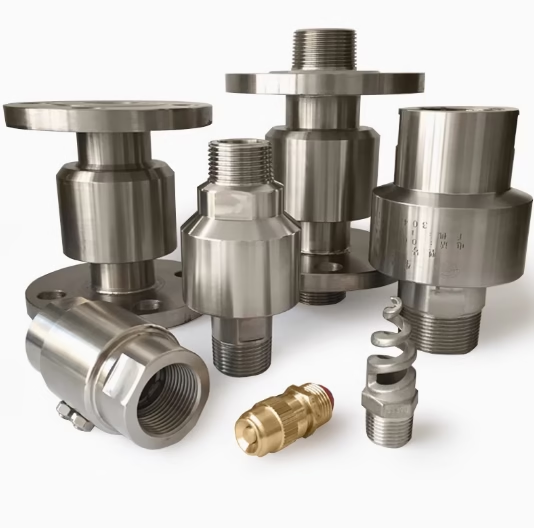
A rotary union, also called a rotary joint or rotary coupling, is a precision mechanical device used to transfer fluids or gases between stationary and rotating equipment. A correct rotary union installation guide is critical because improper mounting, pipe stress, misalignment, or contamination can significantly reduce sealing performance and service life.
This guide explains the correct installation procedure for industrial rotary unions, common installation mistakes, and maintenance recommendations.
Before Installing a Rotary Union
Before installing a rotary union, always confirm the following parameters:
1. Check Product Specifications
Verify:
- Working pressure
- Rotational speed
- Temperature range
- Media type
- Connection size
- Rotation direction
Choosing a rotary union only based on thread size may result in premature failure.
2. Inspect the Machine Shaft
Before installation:
Check:
- Shaft diameter
- Shaft concentricity
- Surface condition
- Mounting dimensions
Excessive shaft runout can create additional load on seals and bearings.
Step-by-Step rotary union installation guide Procedure
Step 1: Clean All Connections
Before installation:
- Remove dust
- Remove metal chips
- Clean pipe threads
- Confirm sealing surfaces
Contamination inside the rotary union may damage precision sealing components.
Step 2: Install Flexible Hoses Correctly
Always use flexible hoses between piping and rotary unions.
Avoid:
- rigid pipe loading
- side force
- forced alignment
Incorrect piping installation can transfer external loads directly to bearings and seals.
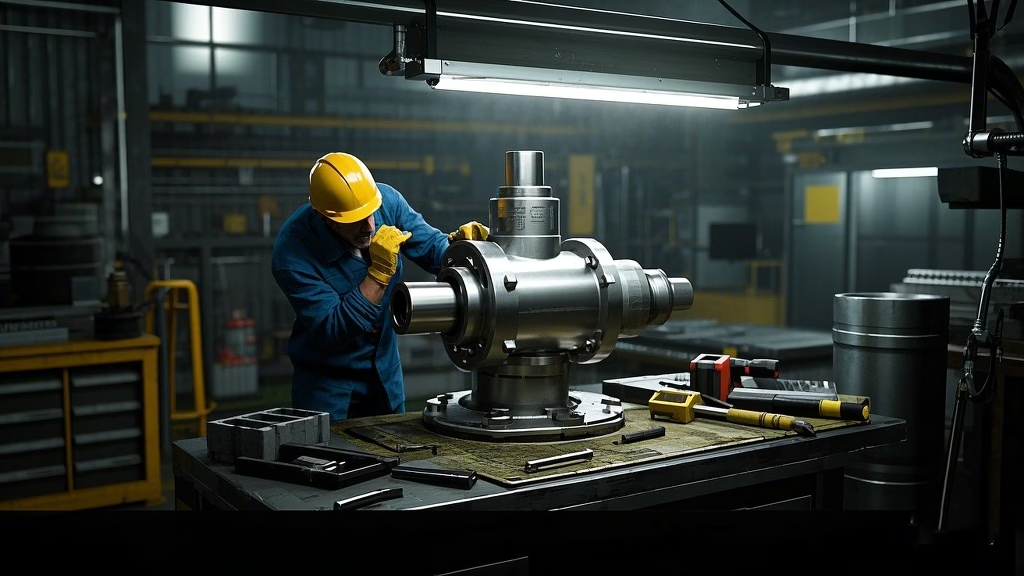
Step 3: Mount the Rotary Union
During installation:
- Keep the rotor aligned with the shaft center
- Avoid impact force
- Tighten connections evenly
- Follow recommended torque
Never rotate the housing by using excessive force during tightening.
Step 4: Check Rotation Before Operation
Before starting equipment:
Confirm:
- Free rotation
- No abnormal resistance
- No leakage
- Correct media flow
Common Rotary Union Installation Mistakes
Mistake 1: Using Rigid Pipes
Problem:
Rigid piping creates external force on the rotary union.
Result:
- Seal wear
- Bearing damage
- Leakage
Solution:
Use flexible hose connections.
Mistake 2: Incorrect Alignment
Misalignment causes:
- Uneven seal pressure
- Vibration
- Reduced service life
Always check shaft concentricity before operation.
Mistake 3: Installing Without Flushing Pipeline
Foreign particles may include:
- Metal chips
- Welding residue
- Rust particles
These contaminants can damage sealing surfaces.
Rotary Union Leakage After Installation: Causes and Solutions
1. Incorrect Installation
Symptoms:
- Leakage immediately after startup
Causes:
- Pipe stress
- Misalignment
- Excessive tightening
Solution:
Reinstall according to manufacturer requirements.
2. Wrong Product Selection
A rotary union designed for:
- water
cannot automatically work for:
- hydraulic oil
- steam
- abrasive fluid
Selection must consider:
- pressure
- speed
- temperature
- medium
3. Damaged Sealing Surface
Causes:
- contaminated fluid
- dry running
- incorrect startup
Solution:
Check seal condition and replace damaged components.
Rotary Union Maintenance Tips
Regular Inspection
Check:
- Leakage
- Abnormal noise
- Temperature increase
- Vibration
Keep Operating Conditions Within Limits
Do not exceed:
- Maximum RPM
- Pressure rating
- Temperature range
Rotary Union Installation for Different Applications
CNC Machine Tools
Important factors:
- High RPM
- Coolant compatibility
- Shaft accuracy
Paper Machinery
Important factors:
- Continuous operation
- Steam pressure
- Condensate drainage
Packaging Equipment
Important factors:
- Compact installation
- Reliable sealing
- Long duty cycle
How to Choose the Right Rotary Union Before Installation
Before selecting a rotary union, provide:
| Parameter | Required Information |
|---|---|
| Medium | Water / Air / Oil / Steam |
| Pressure | Working pressure |
| Speed | RPM |
| Temperature | Operating temperature |
| Connection | Thread/flange size |
| Installation | Shaft dimensions |
Dann Hydraulic engineers can recommend the most suitable rotary union according to actual working conditions.
FAQ
What is the difference between a rotary union and rotary joint?
Rotary union and rotary joint usually describe the same type of component used for transferring fluids between stationary and rotating parts.
Why does my rotary union leak after installation?
Common reasons include:
- Incorrect alignment
- Pipe stress
- Wrong model selection
- Contaminated fluid
- Excessive operating conditions
Can rotary unions be installed vertically?
Yes, but installation direction should follow the product design requirements.
Do rotary unions need flexible hoses?
Yes.
Flexible connections help reduce external loads transferred to seals and bearings.
Conclusion
Rotary union installation guide may seem like a complex task, but by following the proper steps and taking the necessary precautions, you can ensure a successful installation. Remember to always read and follow the manufacturer’s rotary joint installation instructions, use the right tools and equipment, and perform regular maintenance and testing. By doing so, you can maximize the performance and lifespan of your rotary joint and keep your industrial equipment running smoothly.
So, the next time you are faced with the question of rotary joint installation instructions, you know exactly what to do. Follow this comprehensive guide, and you’ll be on your way to a seamless installation and trouble-free operation.