What are the key technical specifications to look for when buying hydraulic swivel joints?
When selecting hydraulic swivel joints, choosing the right technical specifications is critical to ensuring safety, reliability, and long-term performance. A poorly specified swivel joint can lead to leakage, premature seal failure, downtime, and costly maintenance—especially in high-pressure industrial applications.
In hydraulic systems, the swivel joint (or rotary union) is often the most undervalued component—until it fails. A single seal failure in a forestry grapple or an excavator attachment doesn’t just mean a $200 replacement part; it means hours of downtime, gallons of spilled hydraulic fluid, and potential safety hazards.
Many procurement managers make the mistake of selecting a swivel joint based solely on port size and max pressure. While these are important, they are only the tip of the iceberg. To ensure longevity and reliability, you must dig deeper into the engineering data.
This guide breaks down the most important technical specifications to evaluate when buying a hydraulic swivel joint, based on real engineering experience, industry best practices, and proven performance standards. Whether you are a procurement professional, mechanical engineer, or maintenance technician, this article will help you make a well-informed, risk-free purchasing decision.
What are Hydraulic Swivel Joints?
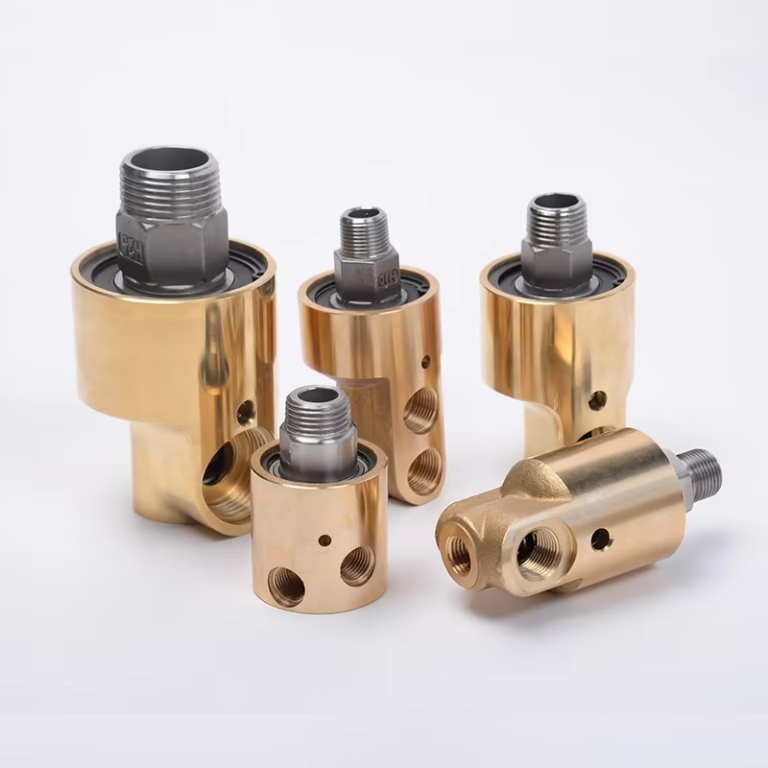
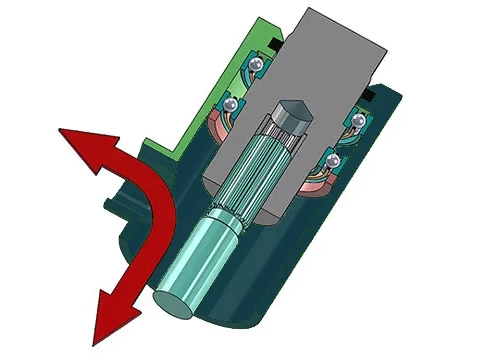
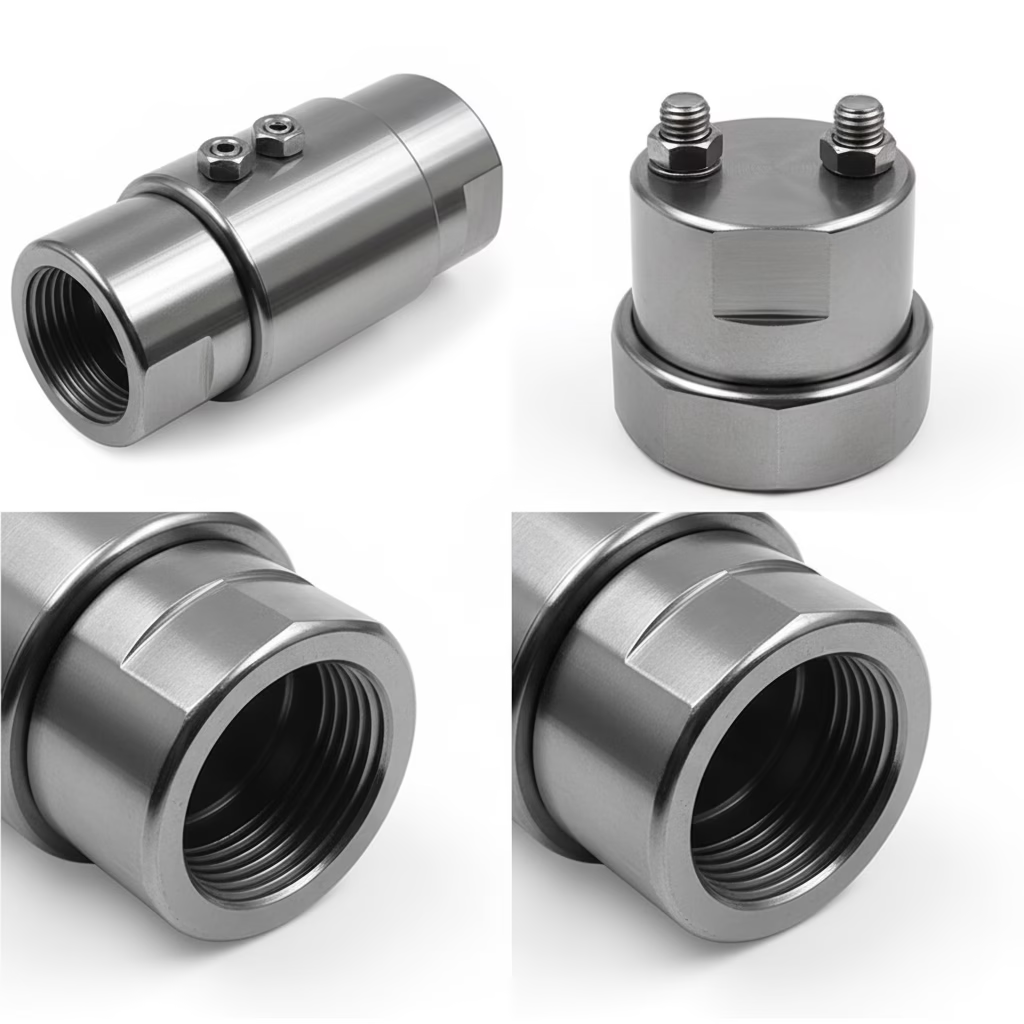
A hydraulic swivel joint is a mechanical component that allows fluid transfer between stationary and rotating parts in hydraulic systems. It maintains a sealed flow path while rotating, enabling continuous movement without twisting hoses or pipelines.
Hydraulic swivel joints are commonly used in:
-
Construction machinery
-
Excavators and cranes
-
Offshore and marine equipment
-
Rotary tables and drilling rigs
-
Industrial automation
-
Heavy manufacturing systems
Why Technical Specifications Matter
Every hydraulic swivel joint must operate within defined mechanical and hydraulic limits. Choosing the wrong specification can result in:
-
Seal blowouts under pressure
-
Overheating at high rotational speeds
-
Flow restrictions are causing pressure loss
-
Premature bearing failure
-
Safety hazards and operational downtime
Understanding the core technical parameters ensures optimal performance, system compatibility, and long service life.
1. Maximum Operating Pressure
Operating pressure is the most critical parameter for any hydraulic swivel joint.
What to Look For:
-
Rated working pressure (e.g., 250 bar, 350 bar, 500 bar)
-
Burst pressure safety margin (typically 3x–4x working pressure)
-
Pressure fluctuation tolerance (shock load resistance)
Best Practice:
Always choose a swivel joint with a pressure rating at least 20–30% higher than your system’s maximum operating pressure.
2. Flow Rate and Passage Size
The flow rate determines how much hydraulic fluid can pass through the swivel joint without excessive pressure drop.
Key Considerations:
-
Port size (e.g., 1/4″, 1/2″, 1″, BSPP, NPT, SAE)
-
Internal bore diameter
-
Maximum flow capacity (L/min or GPM)
-
Flow velocity limits to prevent turbulence
Tip:
Undersized flow passages increase heat generation, energy loss, and seal wear.
3. Rotational Speed (RPM Rating)
Every hydraulic swivel joint has a maximum rated rotational speed, which must match or exceed your application’s operating RPM.
Look For:
-
Continuous speed rating
-
Peak speed tolerance
-
Speed-related heat dissipation capacity
Why It Matters:
Higher RPM increases friction heat, centrifugal forces, and seal wear, making a proper speed rating essential.
4. Temperature Range
Hydraulic systems operate under varying thermal conditions.
Key Temperature Specs:
-
Minimum operating temperature (cold-start resistance)
-
Maximum operating temperature (high-load conditions)
-
Seal material temperature tolerance
Common Seal Materials:
| Material | Temperature Range | Typical Use |
|---|---|---|
| NBR | -20°C to 100°C | General hydraulic systems |
| FKM (Viton) | -20°C to 200°C | High-temperature applications |
| PTFE | -40°C to 260°C | Extreme conditions |
5. Seal Design and Sealing Technology
Seal quality directly determines leak resistance and service life.
Recommended Seal Features:
-
Balanced mechanical seals
-
Spring-loaded or pressure-energized seals
-
Dual-lip or multi-stage sealing systems
-
Anti-extrusion backup rings
High-End Applications Require:
-
Low-friction PTFE seals
-
Silicon carbide or tungsten carbide seal faces
-
Self-lubricating materials for dry-start tolerance
6. Bearing Structure and Load Capacity
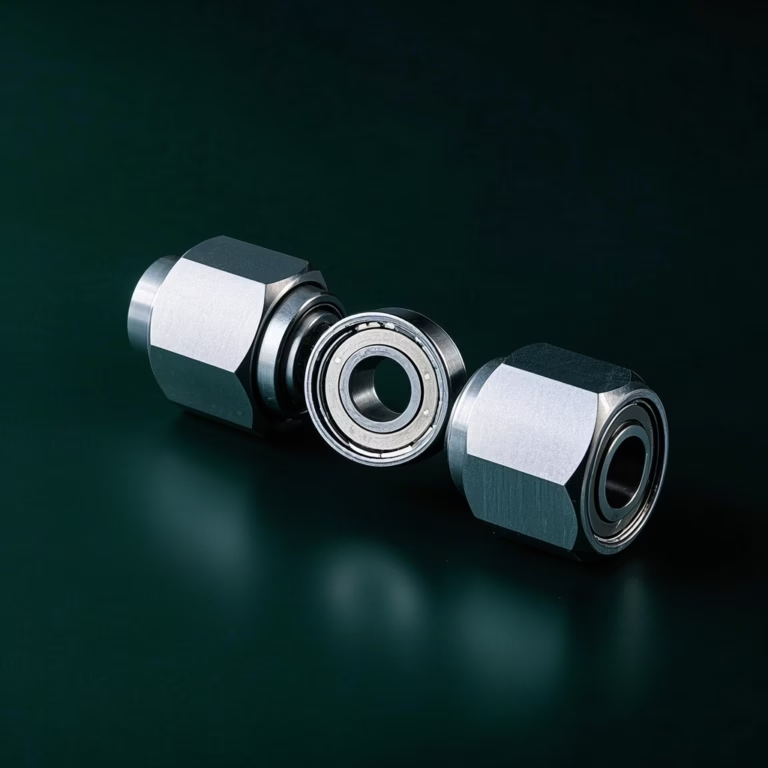
Bearings support rotational movement and protect seals from axial and radial loads.
Check These Specs:
-
Radial load rating
-
Axial load rating
-
Bearing type (ball bearing, roller bearing, plain bearing)
-
External load handling capability
Important Note:
A hydraulic swivel joint should not be used as a structural load-bearing component unless explicitly rated for it.
7. Number of Passages (Single vs Multi-Passage)
Swivel joints may carry one or multiple fluid channels.
Options Include:
-
Single-passage hydraulic swivel joints
-
Dual-passage fluid transfer units
-
Multi-passage swivel joints (hydraulic + air + coolant + signal)
Typical Use Cases:
| Passage Count | Application |
|---|---|
| Single | Simple hydraulic circuits |
| Dual | Supply + return systems |
| Multi | Complex industrial automation |
8. Connection Type and Mounting Configuration
Compatibility with existing equipment is essential.
Check For:
-
Thread type (NPT, BSP, SAE, Metric)
-
Flange standards (ISO, SAE, custom)
-
Shaft mounting or flange mounting
-
Fixed vs floating housing options
Installation Tip:
Ensure easy access for maintenance and seal replacement.
9. Material Selection and Corrosion Resistance
Material choice impacts durability, weight, and corrosion resistance.
Common Materials:
-
Carbon steel (heavy-duty)
-
Stainless steel (corrosion-resistant)
-
Aluminum (lightweight)
-
Brass (low-pressure systems)
Harsh Environments Require:
-
Stainless steel housings
-
Anti-corrosion coatings
-
Marine-grade protection
10. Leakage Rate and Performance Standards
A high-quality hydraulic swivel joint should meet strict leakage tolerances.
Industry Benchmarks:
-
Zero visible leakage under rated pressure
-
Minimal internal bypass flow
-
Compliance with ISO and SAE performance standards
Recommended Certifications:
-
ISO 9001
-
ISO 14001
-
CE conformity
-
OEM qualification, where applicable
11. Service Life and Maintenance Requirements
Long-term reliability reduces downtime and total cost of ownership.
Evaluate:
-
Rated operating cycles
-
Expected seal replacement interval
-
Ease of rebuild or refurbishment
-
Availability of spare parts
Buyer Insight:
Choosing a serviceable swivel joint often delivers better ROI than a disposable design.
12. Compatibility With Hydraulic Fluid Types
Ensure material and seal compatibility with:
-
Mineral hydraulic oil
-
Synthetic fluids
-
Biodegradable fluids
-
Water-glycol mixtures
-
Fire-resistant hydraulic fluids
Fluid incompatibility can cause seal swelling, hardening, or failure.
13. Shock Load and Vibration Resistance
Heavy machinery environments generate shock, vibration, and pressure spikes.
Look For:
-
Reinforced seal structures
-
Shock-resistant bearing support
-
Fatigue-tested housings
14. Manufacturer Expertise and EEAT Compliance
Following Google EEAT (Experience, Expertise, Authoritativeness, Trustworthiness) principles, buyers should evaluate supplier credibility, not just technical specs.
Trust Indicators:
-
Proven industry experience
-
Verified customer case studies
-
Engineering documentation and test reports
-
OEM replacement capability
-
Transparent warranty and technical support
A reputable manufacturer ensures consistent quality, accurate ratings, and reliable after-sales service.
15. Common Buyer Mistakes to Avoid
- Selecting based on price alone
- Ignoring real operating pressure margins
- Underestimating RPM heat effects
- Using swivel joints as load-bearing components
- Overlooking seal material compatibility
Avoiding these mistakes prevents premature failures and costly downtime.
Hydraulic Swivel Joint Specification Checklist
Before purchasing, confirm:
- Pressure rating meets system requirements
- Flow capacity supports operating demand
- RPM rating exceeds maximum speed
- The temperature range matches the real environment
- Seal materials match fluid type
- Bearings support expected loads
- Connection type fits equipment
- Corrosion protection meets site conditions
- Manufacturer meets EEAT credibility standards
Conclusion: How to Choose the Right Hydraulic Swivel Joint
Selecting the right hydraulic swivel joint requires more than reviewing catalog numbers. The best choice comes from matching real operating conditions with verified technical specifications, supported by trusted manufacturers and proven engineering standards.
By focusing on pressure, flow, speed, seals, materials, bearings, and supplier credibility, buyers can ensure safe operation, extended service life, and optimal system efficiency.