
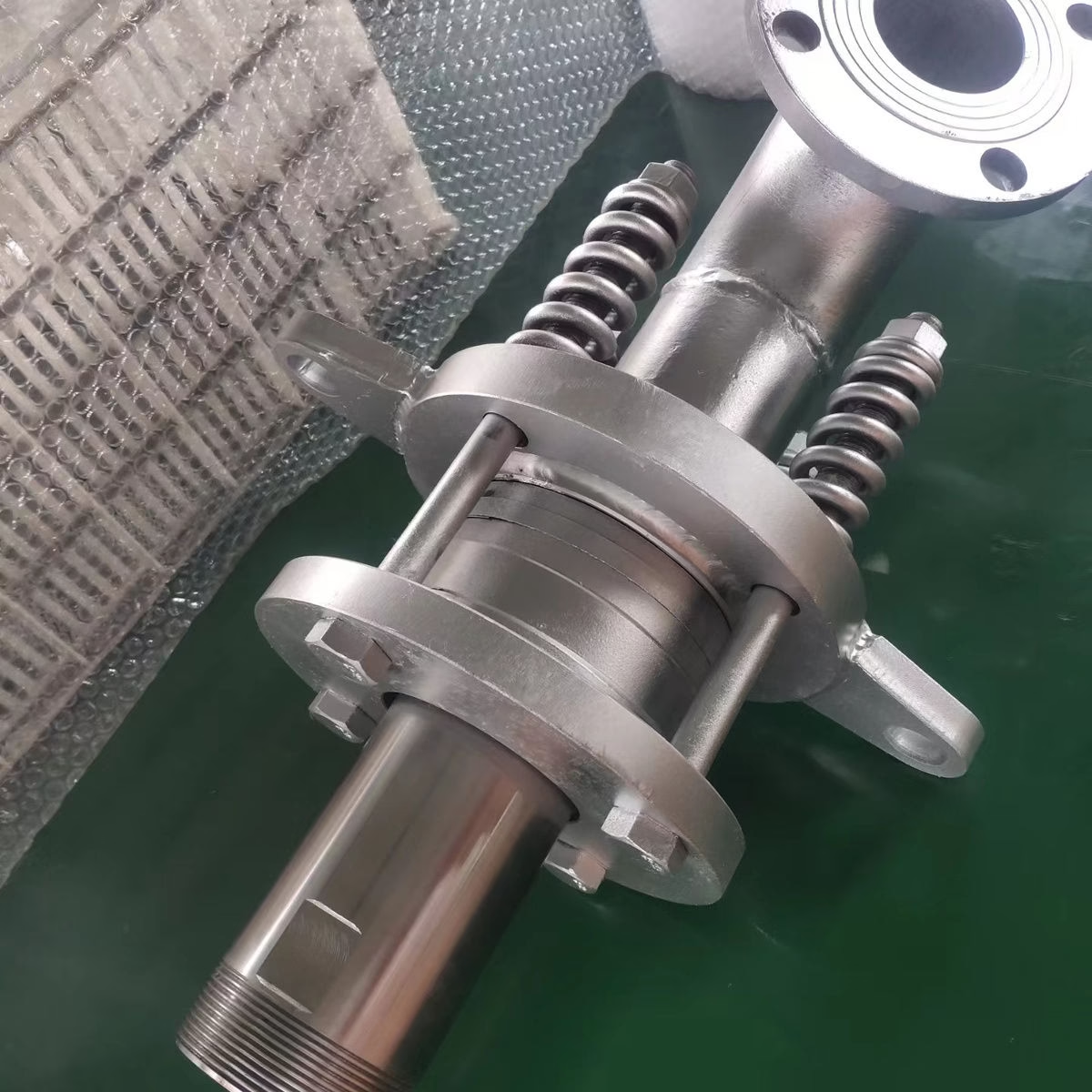
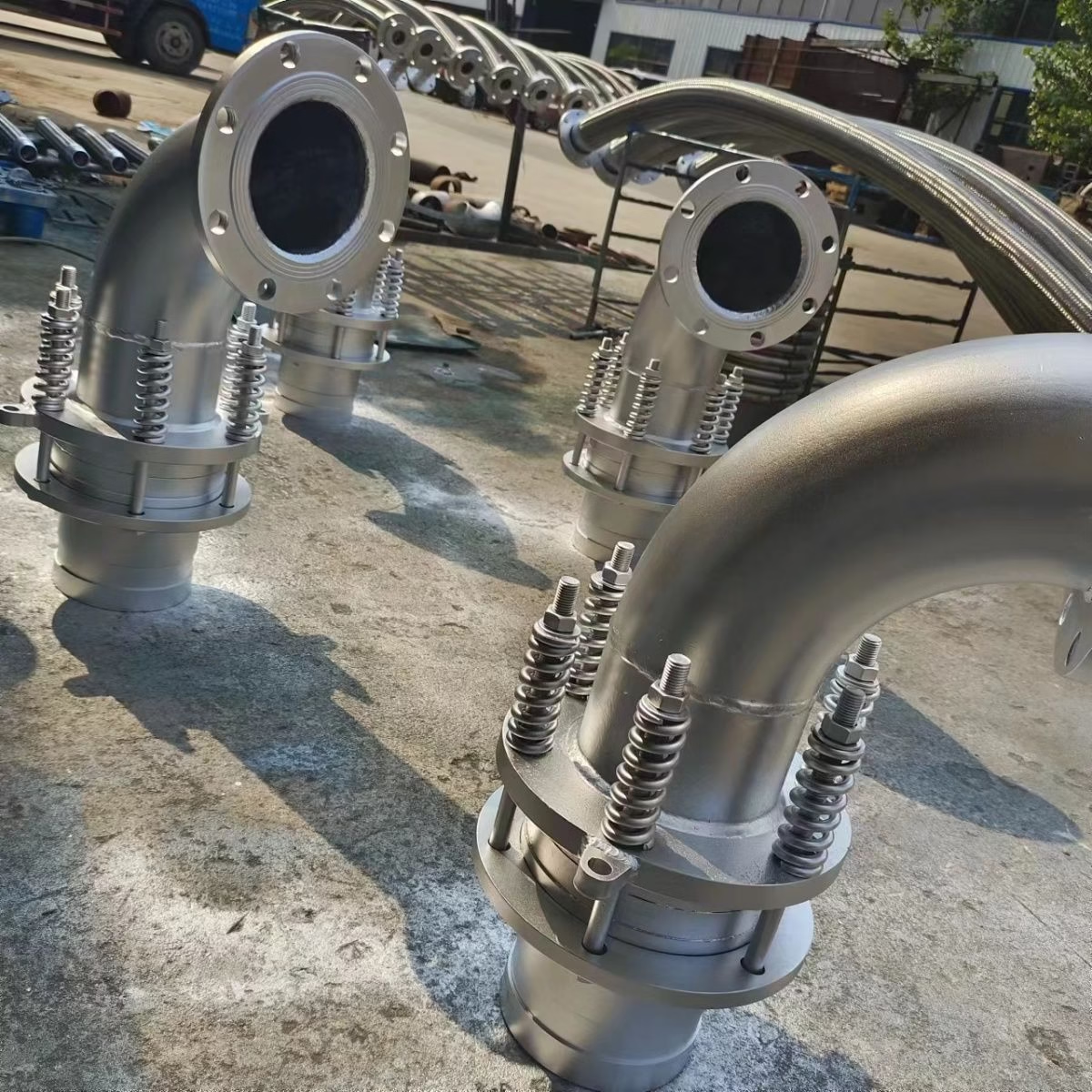
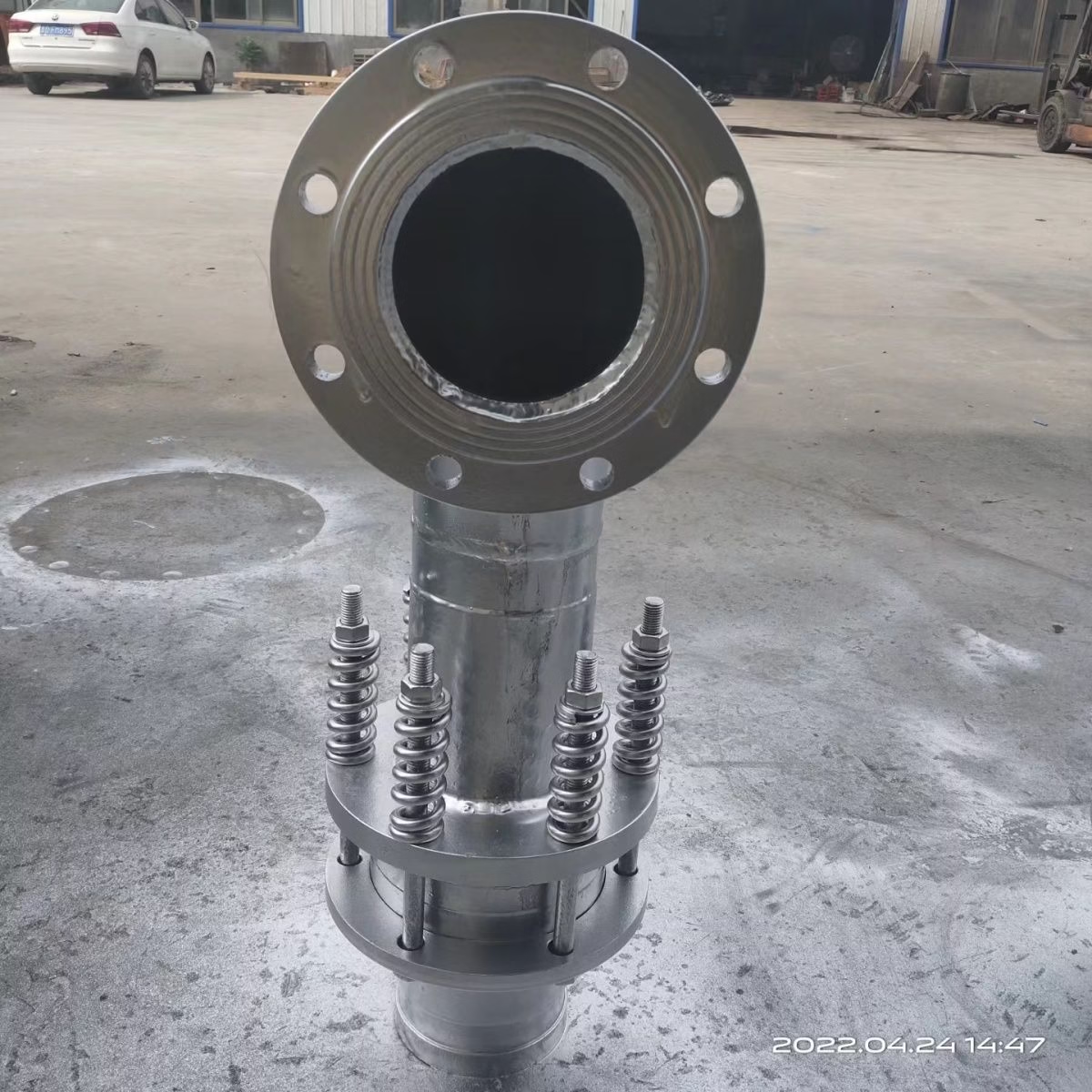
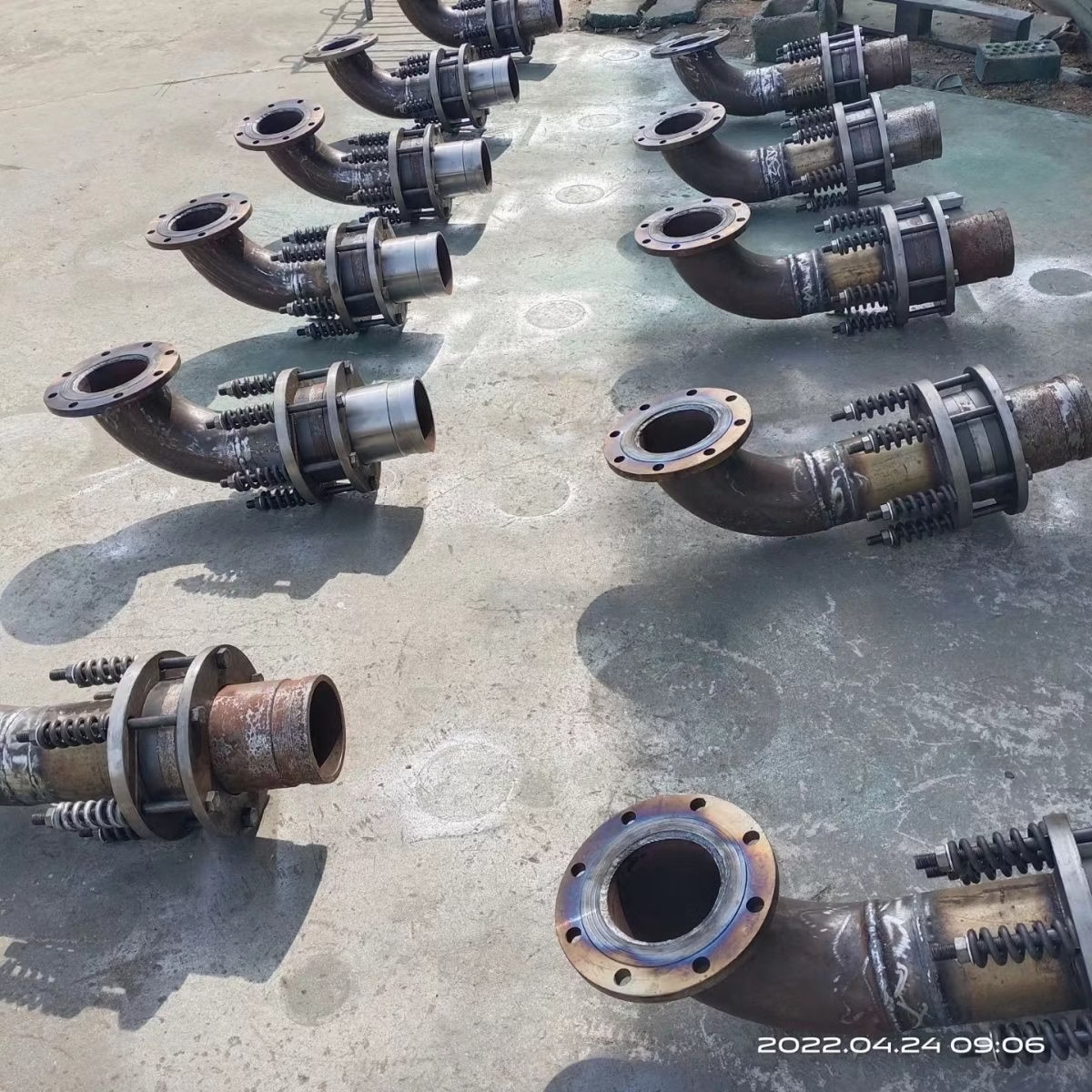
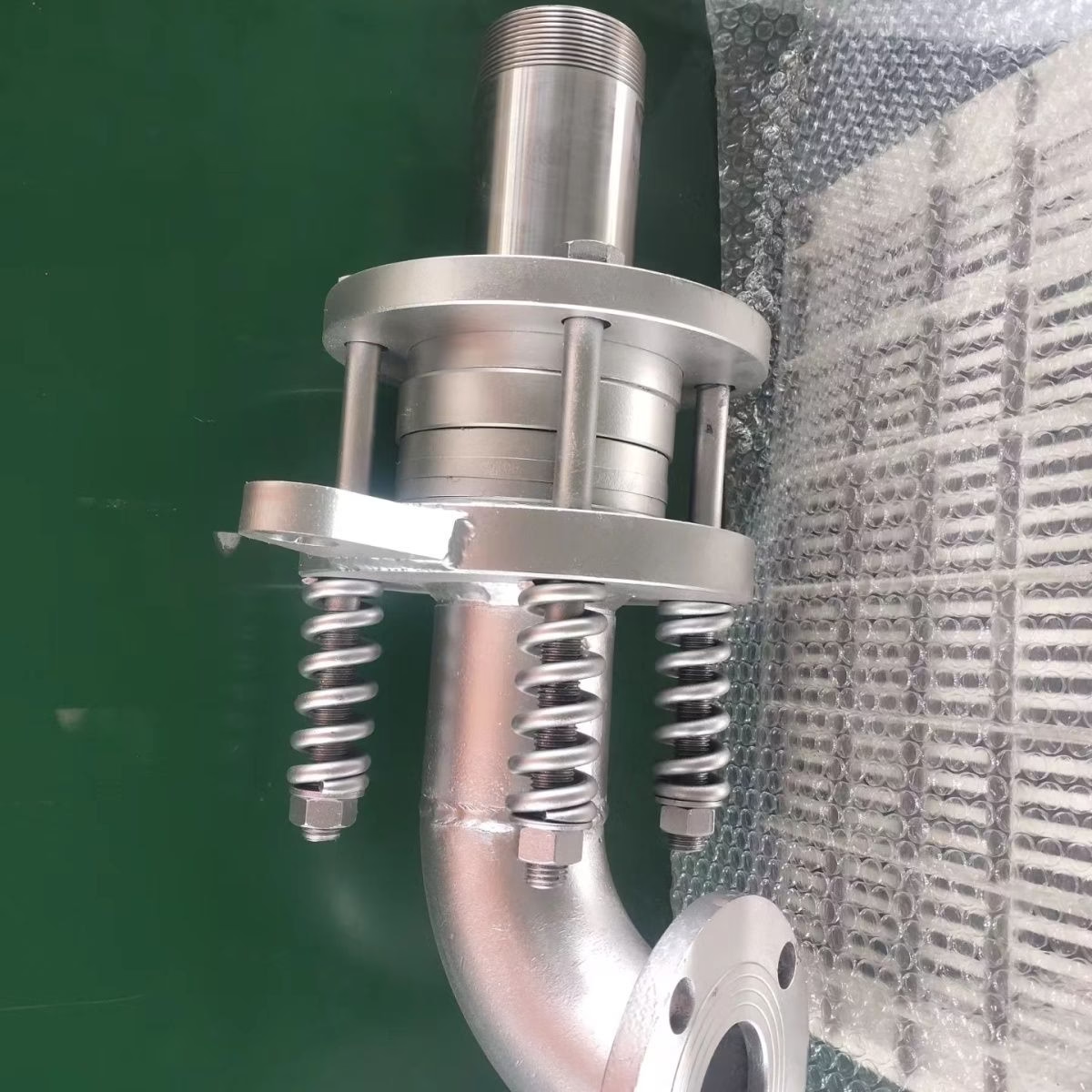
Reliable Steam Rotary Joint Solutions for Efficient Fishmeal Drying Systems
Original price was: $70.00.$55.00Current price is: $55.00.
- Material: Stainless Steel 304/316L
- Temperature Range: Up to 220°C (428°F)
- Pressure Range: 0.6 – 1.6 MPa (customizable)
- Connection Type: Flanged or threaded options available
- Shaft Diameter Compatibility: Custom sizes to fit your equipment
Description
Fishmeal production is one of the most demanding industrial drying applications. Throughout the drying process, large quantities of wet fish material must be heated continuously while maintaining precise moisture content and production efficiency. The rotary drying system operates under high temperature, continuous rotation, steam pressure, and a humid environment, placing significant demands on every rotating component. Among these components, the rotary joint for the fishmeal dryer plays a critical role. It transfers steam or thermal oil from a stationary pipeline into the rotating drum while maintaining a reliable seal. Any leakage or premature failure can lead to heat loss, increased energy consumption, production interruptions, and expensive maintenance.
At Dann Hydraulic, we manufacture industrial rotary joint for fishmeal dryer designed for demanding drying applications, including fishmeal processing plants. Our products are developed as reliable replacement solutions for well-known international brands and are engineered to deliver dependable performance, competitive cost, and fast delivery for global customers.

Why Rotary Joints Are Critical in Fishmeal Drying
A fishmeal drying system typically includes a rotary drum or disc dryer where steam transfers heat through the rotating shell. The rotary joint must continuously deliver steam while allowing the drum to rotate at a constant speed.
Unlike standard industrial applications, fishmeal factories present several unique challenges:
- High humidity throughout the production line
- Steam temperatures that remain elevated for long operating periods
- Continuous 24-hour production schedules
- Condensate generated inside the drying drum
- Corrosive processing environments caused by salt and organic residue
- Frequent cleaning and wash-down procedures
These conditions demand a rotary joint that combines excellent sealing performance with robust bearing support and corrosion-resistant construction.


Engineering Features of Dann Hydraulic Rotary Joints
Our rotary joint for fishmeal dryer are engineered specifically for demanding industrial drying applications.
Key features include:
- Precision mechanical seal technology
- Stable bearing support
- Optimized steam flow passages
- Efficient condensate discharge
- Corrosion-resistant materials
- High machining accuracy
- Reliable operation under continuous duty
- Easy installation and maintenance
Every rotary joint is manufactured using CNC machining equipment and inspected before shipment to ensure consistent quality.
Applications
Our Drying Drum Rotary Joints are trusted in a wide range of industrial heat exchange systems. Here are some application examples with detailed explanations:
🐟 Fishmeal Processing Plants
In fishmeal plants, rotary dryers remove moisture from raw fish waste using indirect steam heating. Our rotary joints deliver leak-proof steam transfer and long-term reliability, even in humid, salty, and corrosive environments. The use of condensate siphon systems ensures optimal drying efficiency and consistent product quality.
🧪 Chemical & Pharmaceutical Dryers
Many chemical processes use thermal oil or steam to dry powders, crystals, or pastes in rotating drum dryers. Our rotary joints are chemically resistant and designed to handle high-viscosity fluids, helping to maintain precise process control and avoid contamination.
📄 Paper & Pulp Drying Systems
Drying cylinders in paper machines rely on steam rotary joints to evenly transfer heat across the drum surface. Our units maintain stable pressure, minimize steam leaks, and reduce thermal energy waste, contributing to higher paper smoothness and drying speed.
♻️ Sludge & Biomass Drying Plants
In wastewater treatment and biofuel production, operators rely on rotary dryers to dehydrate sludge or biomass. We design our rotary joints with abrasion-resistant seals and self-cleaning features to handle particulate media and prevent clogging or wear.
🥫 Food Industry Dryers
Our joints are suitable for food-grade applications like rotary cookers or sterilizers, where sanitary-grade steam must be delivered under strict hygiene conditions. With FDA-compliant materials available upon request, our rotary joints ensure safe contact with food processing lines.


Our Manufacturing Strength
As a specialized rotary joint manufacturer, we maintain strict quality control throughout the production process.
Our capabilities include:
- Advanced CNC machining for high-dimensional accuracy
- Precision grinding of critical sealing surfaces
- Strict inspection of raw materials
- Pressure and leakage testing before shipment
- Custom design and OEM manufacturing
- Technical support for replacement and retrofit projects
- Export experience serving customers in multiple industrial sectors
Every rotary joint for fishmeal dryer is manufactured with a focus on reliability, durability, and consistent performance in demanding industrial environments.

Common Problems in Fishmeal Drying Equipment
Steam Leakage
Steam leakage is the most common problem encountered in rotary drying systems.
Typical causes include:
- Worn sealing faces
- Shaft misalignment
- Excessive vibration
- Improper installation
- Steam pressure fluctuations
Even small steam leaks reduce thermal efficiency and increase energy consumption.
Recommended Solution
Use precision-machined mechanical seals designed for continuous steam service. Regular alignment checks and scheduled seal inspections help prevent unexpected leakage.
Condensate Accumulation
As steam transfers heat, condensate forms inside the rotating drum. If condensate is not removed efficiently, several issues may occur:
- Reduced drying efficiency
- Water hammer
- Unstable heating
- Increased seal wear
- Corrosion
Recommended Solution
Select a rotary joint with an efficient condensate removal design. Proper siphon configuration and regular inspection of condensate piping help maintain stable heat transfer.
Premature Seal Failure
Many fishmeal plants operate continuously for weeks or months without shutdown.
Seal failure is often caused by:
- Dry running
- Abrasive contamination
- Excessive operating temperature
- Incorrect seal material
- Poor maintenance practices
Recommended Solution
Choose seal materials that match the operating conditions. High-quality carbon graphite, silicon carbide, or tungsten carbide seal combinations provide excellent wear resistance in steam applications.
Bearing Damage
Steam leakage often allows moisture to enter the bearing cavity, reducing lubrication effectiveness.
Bearing failure may result in:
- Increased vibration
- Higher operating temperature
- Shaft instability
- Seal damage
Recommended Solution
Rotary joints with protected bearing arrangements and effective sealing barriers help prevent contamination and extend bearing life.
Corrosion
Fishmeal processing environments contain moisture, salt, and organic compounds that accelerate corrosion.
Carbon steel components may deteriorate rapidly if not properly protected.
Recommended Solution
Depending on the application, stainless steel components or corrosion-resistant surface treatments improve long-term durability.

Customer Success Story
A seafood processing company operating a continuous fishmeal production line experienced repeated steam leakage after six to eight months of operation. The frequent replacement of rotary joints increased maintenance costs and caused production interruptions during scheduled shutdowns.
After reviewing the operating conditions, our engineering team recommended a rotary joint with upgraded sealing materials and an optimized bearing protection design.
Following installation, the customer reported:
- Reduced steam leakage
- More stable drying temperatures
- Lower maintenance frequency
- Improved production continuity
- Reduced spare parts inventory
Although operating conditions differ from plant to plant, selecting a rotary joint designed for the actual application can significantly improve equipment reliability and reduce total maintenance costs.

Why Fishmeal Manufacturers Choose Dann Hydraulic
Fishmeal production requires equipment that can operate continuously with minimal downtime. For maintenance teams, the cost of an unexpected shutdown often exceeds the cost of the rotary joint itself.
Dann Hydraulic supports customers by providing:
- OEM replacement solutions compatible with many international designs
- Customized rotary joints for new equipment
- Technical selection based on operating conditions
- Fast production and export support
- Stable product quality
- Competitive factory-direct pricing
Rather than offering a one-size-fits-all product, we work with customers to recommend the most suitable rotary joint based on steam pressure, temperature, rotational speed, and installation requirements.
Optimized Steam Transfer for Consistent Drying
The rotary joint ensures a reliable, leak-free steam supply to the drying drum, which is critical for maintaining uniform heat distribution. This uniformity prevents uneven drying and product spoilage, directly improving fish meal quality and shelf life.
Durability in Corrosive and High-Temperature Environments
Fish meal drying involves exposure to high temperatures and corrosive vapors. Our rotary joint is constructed from corrosion-resistant stainless steel and engineered seals that withstand these harsh conditions, minimizing downtime and maintenance costs.
Precision Engineering for Smooth Operation
Designed for perfect fit and balanced rotation, the joint reduces vibration and mechanical wear on the drying drum shaft. This smooth operation extends equipment life and ensures continuous production without unexpected failures.
Energy Efficiency and Cost Savings
By preventing steam leakage and optimizing heat transfer, our rotary joint helps fish meal plants reduce energy consumption and operational costs, making the drying process more sustainable and economically viable.
Customizable to Various Dryer Types and Sizes
We tailor our rotary joints for direct or indirect rotary drum dryers, matching drum diameter and pressure needs for seamless system integration.
Proven Performance in Fish Meal Industry Applications
Fish meal factories use our rotary joints to maintain high throughput and stable drying, enabling consistent production of premium fish meal.

Quality Manufacturing You Can Rely On
As a professional rotary joint for fishmeal dryer manufacturer in China, we control every major production process in-house.
Our quality procedures include:
- CNC precision machining
- Incoming material inspection
- Mechanical seal inspection
- Assembly verification
- Pressure testing
- Leakage testing
- Dimensional inspection
- Final quality review before shipment
Each rotary joint is produced according to standardized manufacturing procedures to ensure consistent performance and reliable service life.

Frequently Asked Questions
1. What media can this rotary joint handle?
It is suitable for steam, hot water, thermal oil, and other heating media, depending on the seal configuration.
2. Is it suitable for continuous operation?
Yes. It is designed for continuous industrial production under demanding operating conditions.
3. Can it replace imported rotary joints?
Yes. We provide replacement solutions compatible with many internationally used rotary joint designs.
4. How can I reduce steam leakage?
Correct installation, proper alignment, regular seal inspection, and selecting the appropriate seal material are the most effective measures.
5. Why is condensate removal important?
Efficient condensate removal improves heat transfer, prevents water hammer, and extends rotary joint service life.
6. Can the rotary joint be customized?
Yes. We offer customized designs based on pressure, temperature, connection type, and installation requirements.
7. What information is required for product selection?
Working medium, operating pressure, temperature, rotational speed, connection dimensions, and equipment drawings are helpful for selecting the correct model.
8. How often should maintenance be performed?
Routine visual inspections should be carried out daily, while detailed maintenance should follow the equipment manufacturer’s maintenance schedule.

Contact Our Engineering Team
Every fishmeal drying system operates under different conditions, and selecting the correct rotary joint is essential for achieving reliable long-term performance.
If you are replacing an existing rotary joint or designing a new drying system, our engineering team can assist with:
- Model selection
- Technical evaluation
- Replacement recommendations
- Custom design
- OEM manufacturing
- Export documentation
- Installation guidance
Share your operating pressure, temperature, rotational speed, working medium, or existing drawings, and we will recommend a rotary joint solution that fits your application.
Related products
-
Sale!

Spring Type Rotary Union For Steam
Original price was: $65.00.$52.00Current price is: $52.00. -
Sale!

High Speed Rotary Joint Hydraulic Pneumatic Rotary Joint
Original price was: $40.00.$35.00Current price is: $35.00. -
Sale!

Vulcanizing Machine U Style L Style Steam Rotary Union
Original price was: $40.00.$38.00Current price is: $38.00. -
Sale!
High Pressure Rotary Union for Reliable Fluid Transfer in Demanding Industrial Applications
Original price was: $70.00.$60.00Current price is: $60.00.