Dedicated Rotary Unions for Fog Cannons & Tower Crane Sprayers
In modern construction, mining, and environmental protection industries, fog cannons and tower crane sprayers play a critical role in dust suppression. These systems rely heavily on rotary unions for fog cannons to ensure continuous and stable fluid transmission during rotation.
At Dann Hydraulic, we specialize in manufacturing high-performance rotary unions designed specifically for demanding dust control applications. With over a decade of engineering experience, we provide custom rotary joint solutions that outperform standard products in durability, sealing reliability, and cost efficiency.
Understanding the Role of Dedicated Rotary Unions in Spraying Systems
What Are Rotary Unions for Fog Cannons?
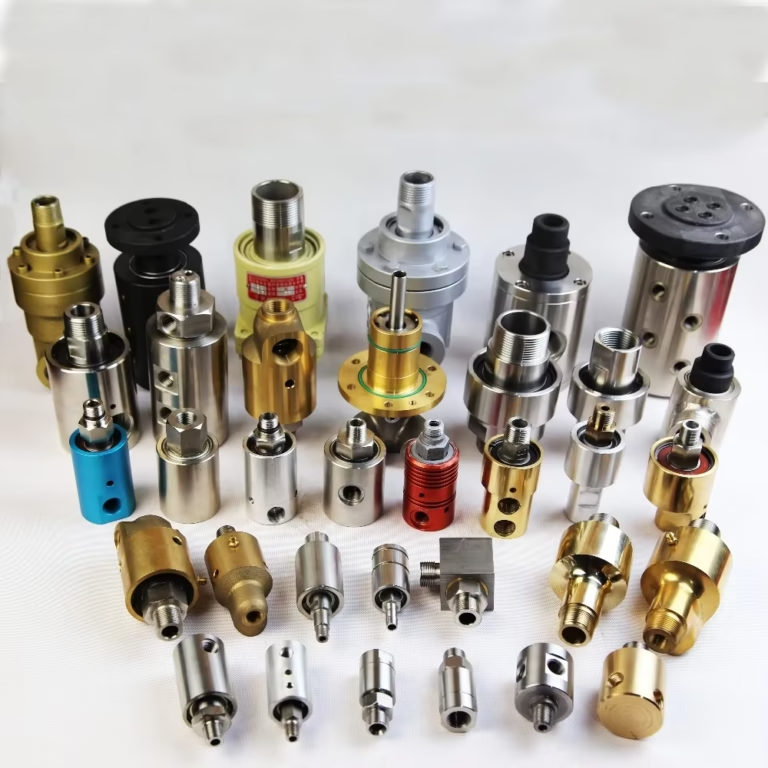
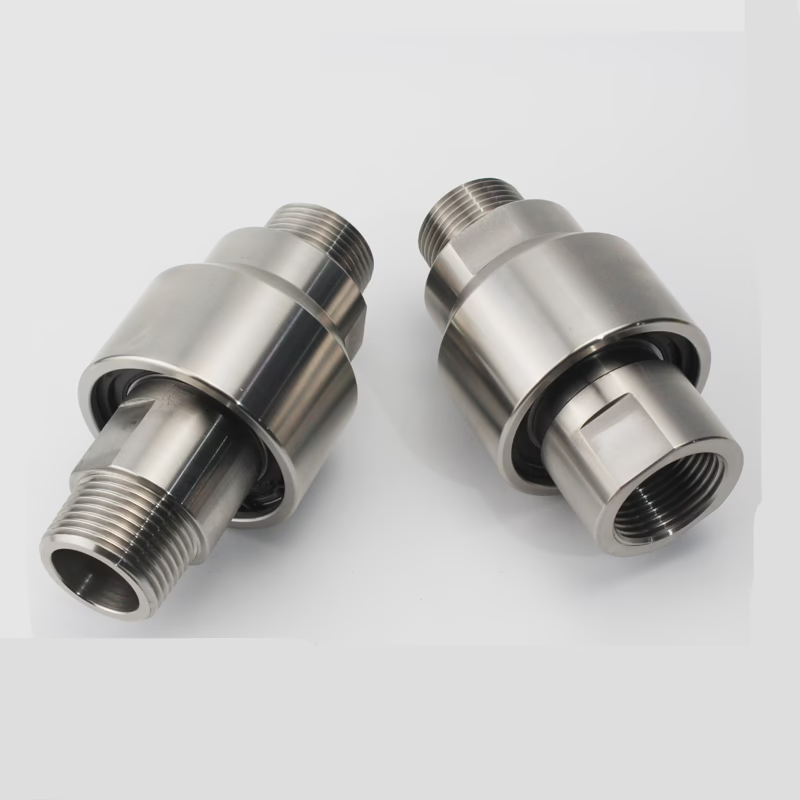
A rotary union for fog cannons is a precision mechanical device that allows water or other fluids to transfer from a stationary pipeline into a rotating spray system without leakage.
In fog cannons and tower crane spraying systems:
- The spray head rotates 360°
- Water or mist must be continuously supplied under pressure
- The rotary union ensures an uninterrupted flow and sealing
These systems are widely used in:
- Construction dust suppression
- Mining and quarry operations
- Demolition sites
- Material handling yards
Fog cannons atomize water into fine droplets to effectively capture airborne dust particles, improving air quality while minimizing water usage
Core Functionality
Dedicated rotary unions for fog cannons and tower crane sprayers serve as the bridge between two components in relative motion: the stationary water supply hose and the rotating spray arm or cannon barrel. It must maintain a watertight seal across a range of pressures (typically 3–15 bar for fog cannons, up to 20 bar for high-pressure tower systems) while accommodating rotational speeds of 5–30 RPM.
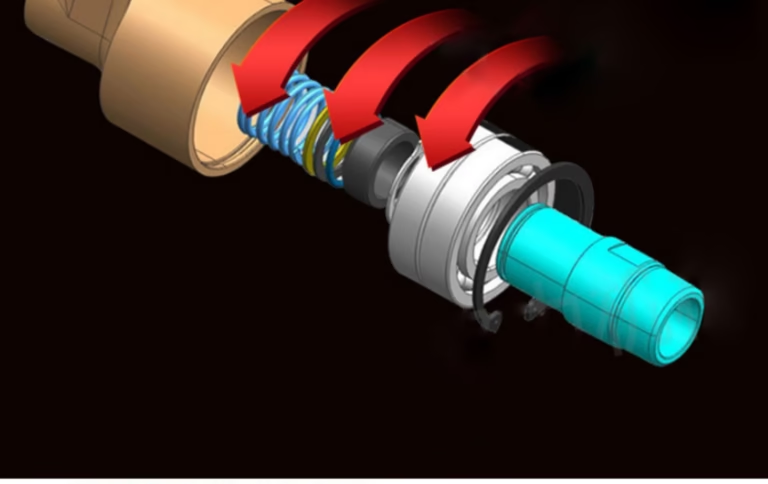
In operation, water enters the stationary portion of the joint through an inlet port, flows through internal channels, and exits through the rotating outlet connected to the spray mechanism. Precision-engineered seals prevent leakage at the interface between moving and stationary parts, even as the sprayer oscillates or rotates 360 degrees. This continuous flow ensures uniform droplet distribution, maximizing dust suppression efficiency.
Key Design Considerations
Manufacturers tailor these rotary joints to the unique demands of spraying applications:
Flow Rate Optimization:
Internal pathways match the sprayer’s water requirements, typically 50–500 liters per minute, to avoid pressure drops that would reduce atomization quality.
Rotation Range:
Tower crane sprayers often require full 360° rotation, while fog cannons may oscillate through 90°–180° arcs. Joints feature bearings rated for continuous or intermittent rotational patterns.
Environmental Resistance:
Exposure to dust, debris, and weather (rain, UV radiation) necessitates robust housing materials like galvanized steel or stainless steel (304 or 316 grades for coastal/chemical environments).
Technical Features of High-Performance Rotary Joints
The effectiveness of fog cannons and tower crane sprayers directly depends on the reliability of their rotary joints. Superior designs incorporate features that address the specific challenges of dust suppression environments:
Pressure Handling Capabilities
Industrial sprayers operate under varying pressure conditions to adjust droplet size—lower pressure (3–7 bar) produces larger droplets for heavy dust, while higher pressure (8–15 bar) creates finer mist for suspended particles. Dedicated rotary joints must maintain integrity across this range without leakage or pressure loss.
Advanced models use balanced mechanical seals with spring-loaded faces (typically carbon vs. stainless steel or ceramic) that adjust to pressure fluctuations. This design ensures consistent sealing even when water pressure spikes, a common occurrence when sprayers start or change direction.
Material Selection for Durability
The harsh operating environments of construction sites and mines demand materials that resist corrosion, abrasion, and impact:
Housings:
Galvanized steel provides cost-effective protection against rust for general applications. Stainless steel (316) offers superior resistance to saltwater and chemical additives (like surfactants used in some dust suppression solutions).
Seals:
Nitrile rubber works well for standard water applications, while Viton® seals handle higher temperatures and chemical exposure. PTFE (Teflon®) seals offer low friction and compatibility with aggressive cleaning agents.
Bearings:
Sealed ball bearings or roller bearings with grease fittings withstand continuous rotation and prevent contamination from dust and water.
Compact Design for Integration
Fog cannons and tower crane sprayers have limited space for auxiliary components. Dedicated rotary joints feature compact, low-profile designs that fit within the sprayer’s mechanical housing without interfering with rotation. Many models include flanged or threaded connections for quick installation, reducing downtime during maintenance or replacement.
Why Standard Rotary Unions Fail in Fog Cannon Applications
Many generic rotary unions are not designed for the harsh working conditions of fog cannons. Common failure issues include:
- Seal wear due to contaminated water
- Leakage under high pressure
- Bearing failure in continuous rotation
- Corrosion from outdoor environments
Typical fog cannon systems require:
- Continuous 360° rotation
- Medium to high pressure (up to 35 MPa in some systems)
- Compatibility with water, air, and mixed media
This is why application-specific rotary unions are essential.
Engineered Rotary Unions for Tower Crane Sprayers
Tower crane spraying systems are even more demanding. They involve:
- Elevated installation (high altitude operation)
- Long pipeline transmission
- Continuous rotation with dynamic loads
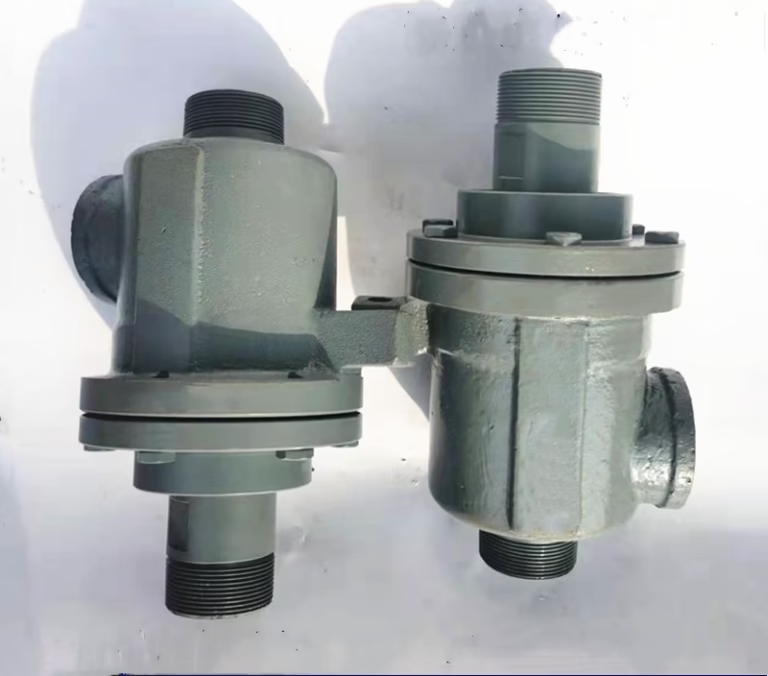
A typical tower crane spray system integrates a rotating spray pipe connected via a rotary joint to maintain a fluid supply while rotating.
Key Requirements:
- High-pressure resistance
- Excellent sealing performance
- Robust structural strength
- Anti-corrosion materials
At Dann Hydraulic, our rotary unions are specifically engineered to meet these challenges.
Key Features of Our Rotary Unions for Fog Cannons
1. Heavy-Duty Sealing Technology
We use advanced sealing materials such as:
- Carbon graphite
- Tungsten carbide
- PTFE composites
These materials ensure:
- Zero leakage
- Long service life
- Resistance to contaminated water
2. High Pressure & Stability Design
- Pressure range up to 35 MPa
- Smooth rotation up to 300 RPM
- Stable operation under continuous duty cycles
Our designs are optimized for high-pressure water mist systems commonly used in fog cannons.
3. Corrosion-Resistant Materials
- Stainless steel (304 / 316)
- Brass and carbon steel options
- Surface treatments for outdoor durability
This ensures reliable performance in harsh construction environments.
4. Flexible Connection Options
- Threaded (BSP / NPT)
- Flange connection
- Custom interfaces
We support full compatibility with global equipment standards.
Applications Across Industries: Where Rotary Joints Make a Difference
Dedicated rotary unions for fog cannons and tower crane sprayers find application in diverse sectors where dust control is critical for safety, regulatory compliance, and operational efficiency.
Construction and Demolition Sites
Construction activities—demolition, concrete cutting, and earthmoving—generate massive amounts of particulate matter. Tower crane sprayers, mounted on crane booms 30–80 meters high, cover entire job sites with water mist, while fog cannons target specific work zones.
In these environments, rotary joints must withstand constant vibration from crane operations and exposure to concrete dust, which can abrade seals. A well-designed joint ensures uninterrupted operation, preventing costly shutdowns for dust-related regulatory violations. For example, a high-rise construction project in an urban area might use a tower crane sprayer with a stainless steel rotary joint to comply with local air quality standards, avoiding fines and maintaining community relations.
Ports and Bulk Material Handling
Ports and material handling facilities transfer bulk commodities like coal, ore, and grain, creating clouds of respirable dust. Fog cannons positioned near conveyor belts, ship loaders, and storage piles suppress dust at its source.
Rotary unions in these applications face unique challenges: saltwater exposure in coastal ports and abrasive dust particles that can infiltrate moving parts. Marine-grade rotary unions with 316 stainless steel construction and double-lip seals prevent corrosion and contamination, ensuring reliable performance in 24/7 operations. A coal export terminal, for instance, might deploy fog cannons with reinforced rotary joints to handle high-pressure water (12–15 bar) and continuous rotation, reducing dust emissions by up to 80%.
Mining Operations
Surface mining (quarries, open-pit mines) and underground mining generate hazardous dust containing silica, which poses severe health risks to workers. Fog cannons mounted on mobile platforms or fixed structures control dust during drilling, blasting, and material transport.
Mining environments demand the most robust rotary joints, as they face extreme vibration, heavy dust loads, and occasional exposure to chemicals (like dust-binding agents). Joints with reinforced housings, oversized bearings, and self-cleaning seal designs excel here. A limestone quarry might use a large fog cannon (coverage radius 80+ meters) with heavy-duty rotary unions to protect workers from silica dust, reducing respiratory health incidents and improving compliance with mining safety regulations.
Waste Management Facilities
Landfills and waste transfer stations produce dust from decomposing materials and vehicle traffic. Tower crane sprayers mounted on landfill boundaries or transfer station roofs control dust spread to surrounding communities.
Rotary unions in waste management applications must resist corrosion from landfill leachate and bacteria. Sealed designs with Viton® seals and corrosion-resistant coatings ensure longevity. A municipal landfill, for example, could integrate a tower crane sprayer with a dedicated rotary joint to maintain dust levels below regulatory thresholds, minimizing complaints from nearby residents.
Advantages of Using Dedicated vs. Generic Rotary Joints
While generic rotary unions might seem like a cost-saving option, dedicated models engineered for fog cannons and tower crane sprayers offer significant advantages:
Improved Spray Consistency
Dedicated joints match the flow rate and pressure requirements of specific sprayer models, eliminating pressure drops that cause uneven droplet distribution. This consistency ensures uniform dust suppression across the target area, reducing hotspots where dust concentrations exceed safe limits.
Longer Service Life
Generic joints often fail prematurely in sprayer applications due to incompatible materials or inadequate sealing. Dedicated designs use application-specific materials (e.g., corrosion-resistant alloys, chemical-resistant seals) and reinforced bearings, doubling or tripling service life. In a busy port facility, this could mean extending maintenance intervals from 3 months to 12 months, reducing downtime and labor costs.
Reduced Maintenance Requirements
Dedicated rotary unions feature user-friendly maintenance features: grease fittings for bearings, easy-access seal replacement, and visual indicators for wear. This simplifies upkeep, allowing on-site technicians to perform repairs instead of requiring specialized contractors. For remote mining operations, this translates to faster turnaround times and lower maintenance expenses.
Enhanced Safety
Leakage from generic joints can create slippery surfaces around equipment, increasing fall risks. Dedicated designs with robust sealing systems prevent water leakage, maintaining safe working conditions. Additionally, reliable fluid transfer ensures sprayers operate at peak efficiency, reducing worker exposure to harmful dust.
Our Manufacturing Strength
✔ Real Factory, Not a Trading Company
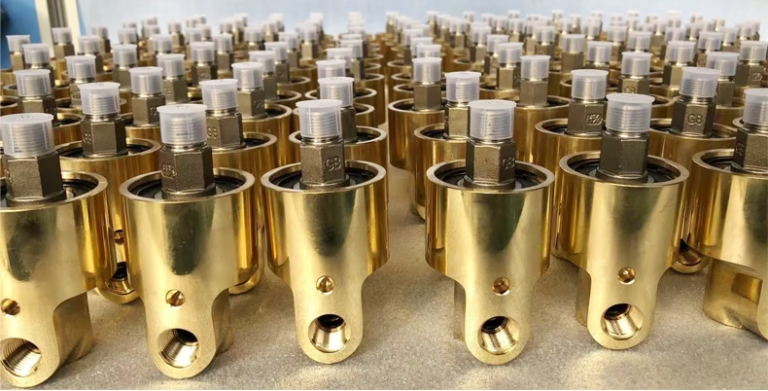
Dann Hydraulic is a direct rotary union manufacturer in China, with:
- In-house CNC machining workshops
- Precision assembly lines
- Dedicated testing facilities
✔ 10+ Years of Industry Experience
We have delivered rotary unions for:
- Fog cannon manufacturers
- Tower crane system integrators
- Environmental equipment OEMs
Our engineering team understands real-world working conditions—not just theoretical specifications.
✔ Full Customization Capability
Unlike standard suppliers, we provide complete OEM/ODM rotary union solutions, including:
- Custom pressure ratings
- Multi-channel rotary unions
- Special sealing structures
- Anti-clogging designs for dirty water
- Integration with spray systems
Custom modifications can include:
- Shaft size and housing redesign
- Seal material upgrades
- Connection type changes
- Flow passage optimization
✔ Strict Quality Control System
Every rotary union undergoes:
- Pressure testing
- Leakage inspection
- Dynamic balancing checks
We ensure 100% functional reliability before shipment.
Why Choose Dann Hydraulic?
- Direct factory pricing (no middlemen)
- Fast customization and delivery
- Proven performance in harsh environments
- Replacement for international brands at a lower cost
- Professional engineering support
We don’t just supply products—we deliver reliable fluid transfer solutions for rotating systems.
Troubleshooting Common Issues
Even with proper maintenance, rotary unions may encounter problems. Early diagnosis and resolution prevent minor issues from escalating into major failures:
Leakage at the Rotation Interface
Possible Causes:
Worn seals, misalignment, or debris on sealing surfaces. –
Solution:
Inspect seals for wear and replace if necessary. Check alignment and realign if needed. Clean sealing surfaces with a soft cloth and mild detergent.
Reduced Flow or Pressure
Possible Causes:
Blockage in internal channels, damaged bearings restricting rotation, or partially closed supply valves.
Solution:
Flush the joint to remove blockages. Check bearings for damage and replace if seized or noisy. Verify supply valves are fully open.
Unusual Noise During Rotation
Possible Causes:
Dry or damaged bearings, misalignment, or foreign debris in the joint.
Solution:
Lubricate bearings. Check alignment and remove any debris. Replace bearings if noise persists after lubrication.
Corrosion
Possible Causes:
Exposure to saltwater, chemicals, or harsh weather without proper protection.
Solution:
Replace corroded components with materials suited to the environment (e.g., 316 stainless steel for saltwater). Apply anti-corrosion coatings to exposed surfaces.
Future Trends in Rotary Joint Technology for Spraying Systems
As industries adopt stricter environmental standards and seek greater efficiency, rotary joint technology continues to evolve:
Smart Monitoring Integration
Manufacturers are developing rotary joints with embedded sensors that monitor temperature, vibration, and pressure differentials. These sensors transmit data to a central system, alerting operators to potential issues (e.g., seal wear, bearing failure) before they cause downtime. In smart construction sites, this predictive maintenance could reduce unplanned shutdowns by up to 30%.
Material Innovations
Advancements in materials science are leading to more durable components:
Graphene-Enhanced Seals:
Offer superior wear resistance and longer life compared to traditional rubber seals.
Ceramic Bearings:
Provide better corrosion resistance and higher temperature tolerance than steel bearings, suitable for extreme environments.
Self-Healing Coatings:
Housings with these coatings automatically repair minor scratches, preventing corrosion from taking hold.
Energy Efficiency Improvements
Low-friction designs reduce the energy required to rotate spray mechanisms, lowering operational costs
Request a Custom Solution
If your fog cannon or tower crane system requires a high-performance rotary union, contact Dann Hydraulic today.
We provide:
- Free technical consultation
- Custom design drawings
- Fast quotation within 24 hours